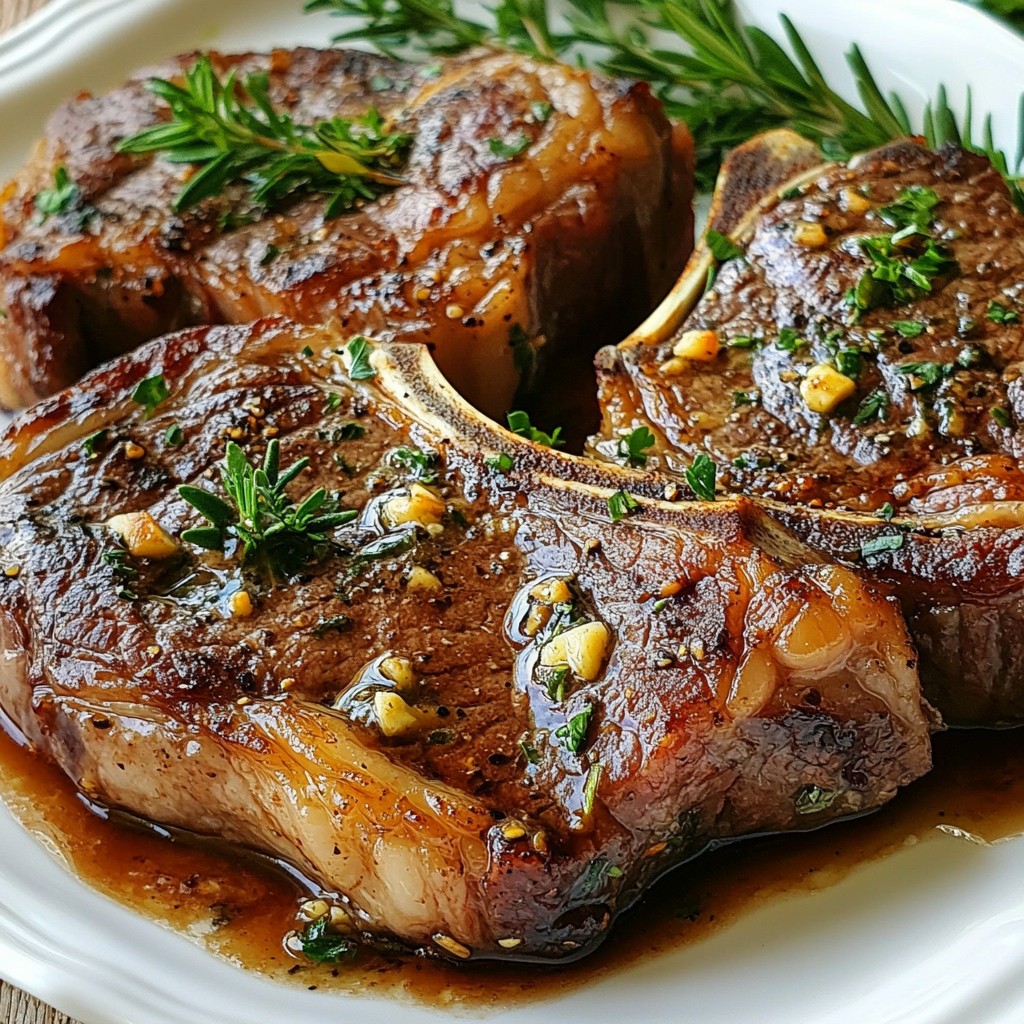
Are you ready to impress at your next dinner with a Garlic Herb Butter Steak? This juicy, flavorful dish will elevate any meal. In this article, I’ll walk you through the best cuts of steak, the perfect garlic herb butter blend, and step-by-step cooking techniques. You'll also discover helpful tips and easy variations. Let’s turn your dinner into a delicious experience that leaves everyone craving more!
Why I Love This Recipe
- Flavor Explosion: This garlic herb butter adds a rich depth of flavor that elevates the juicy ribeye steaks to a whole new level.
- Quick and Easy: This recipe is straightforward and can be prepared in just 40 minutes, making it perfect for a weeknight dinner.
- Perfectly Cooked: The technique of searing and basting ensures that each steak is cooked to perfection, juicy and flavorful.
- Versatile Garnish: The option to add fresh parsley not only enhances the presentation but also adds a burst of freshness to each bite.
Ingredients
Recommended Steak Cuts
For a great Garlic Herb Butter Steak, I suggest using ribeye steaks. Ribeyes are rich in flavor and have nice marbling. This marbling gives the steak moisture and tenderness. You can also try sirloin or filet mignon for other delicious options. Each cut has its own charm, but ribeye shines for this recipe.
Garlic Herb Butter Components
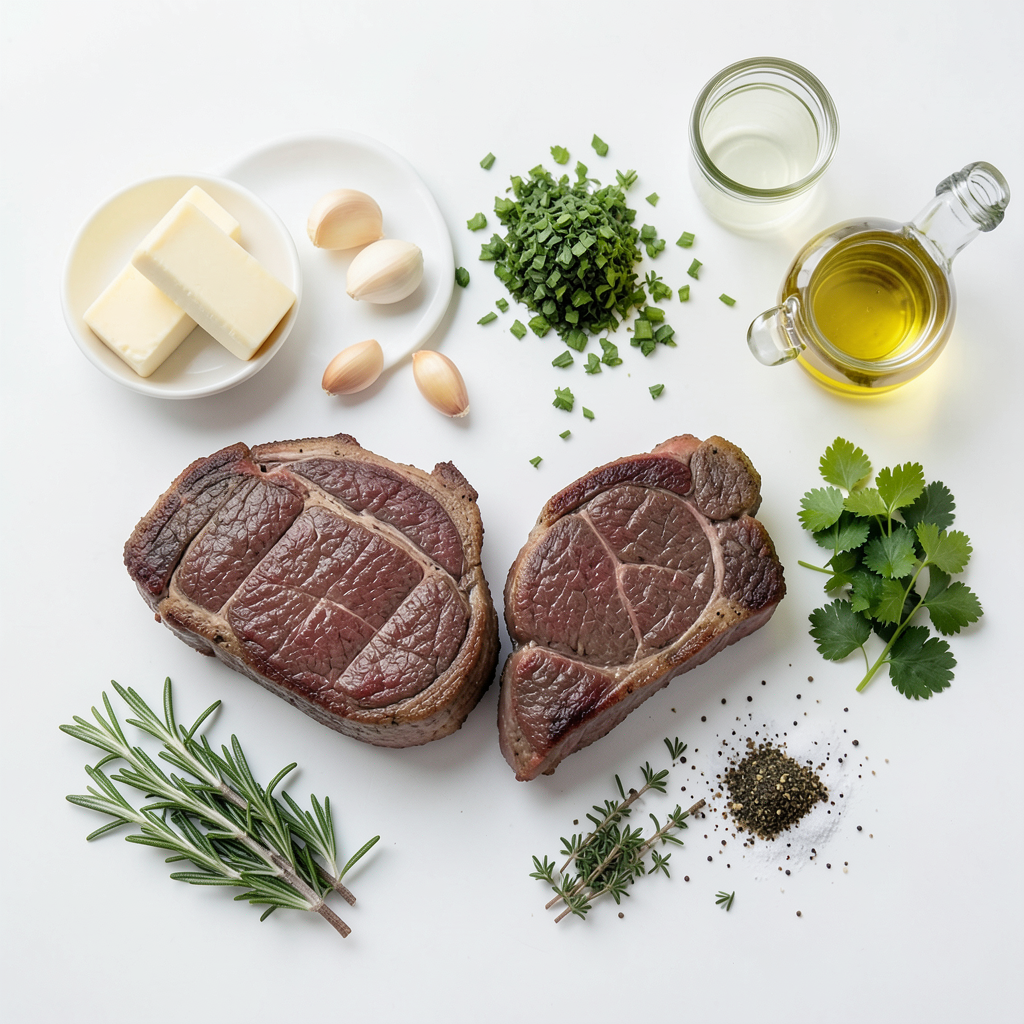
The garlic herb butter is the magic here. You need:
- 4 tablespoons unsalted butter
- 4 cloves garlic, minced
- 1 tablespoon fresh rosemary, finely chopped
- 1 tablespoon fresh thyme, finely chopped
These ingredients combine for a rich, savory topping. The butter melts into the steak, boosting the taste. Fresh herbs add a bright flavor that makes every bite special.
Additional Seasoning Options
While salt and black pepper are key, you can mix it up a bit. Try adding smoked paprika for a hint of smokiness. A touch of cayenne pepper gives it a little kick. If you like a citrus twist, lemon zest is a fun add-on. These options let you create your own unique flavor profile.
Step-by-Step Instructions
Preparing the Steaks
Start by taking your ribeye steaks out of the fridge. Let them sit for 30 minutes to reach room temperature. This helps the steak cook evenly. Next, pat them dry with a paper towel. This step is key for a great sear. Generously season both sides with salt and black pepper. The seasoning enhances the steak's natural flavor.
Cooking Techniques (Grilling vs. Pan-Searing)
You can cook the steaks either on a grill or in a skillet. Grilling gives a smoky flavor and beautiful grill marks. Make sure your grill is hot before adding the steaks. For pan-searing, heat olive oil in a large skillet over medium-high heat. Wait until the oil shimmers before adding the steaks. Cook for 4-5 minutes on one side without moving them. This creates a nice crust. Flip the steaks and cook for another 4-5 minutes for medium-rare. Adjust the time if you want it more well-done.
Basting the Steaks with Garlic Herb Butter
When you flip the steaks, it’s time to add flavor. Add minced garlic, rosemary, and thyme to the skillet. Then place the butter on top of the steaks. As the butter melts, it mixes with the herbs and garlic. Use a spoon to baste the steaks with this tasty mixture for about two minutes. This step adds moisture and rich flavor. After cooking, let the steaks rest on a cutting board for 5-10 minutes. This helps the juices redistribute, making every bite juicy and tender.
Tips & Tricks
Achieving the Perfect Sear
To get that golden crust on your steak, start with a hot pan. Heat your skillet until it shimmers. Pat the steaks dry to remove moisture. This helps them sear better. Season both sides with salt and pepper. Place the steaks in the pan and don’t move them. Let them cook for 4-5 minutes. This forms a nice crust. Flip them and cook for another 4-5 minutes. Remember, a good sear adds flavor and texture.
How to Test Steak Doneness
You can check if your steak is done in a few ways. Use a meat thermometer for the best accuracy. Aim for 130°F for medium-rare. If you don’t have a thermometer, use the touch test. A rare steak feels soft, while medium is firmer. Practice makes perfect, so don’t worry if you don’t get it right the first time. Knowing how to test doneness will help you cook steak just how you like it.
Allowing Steaks to Rest
After cooking, let your steak rest for 5-10 minutes. This step is key to juicy meat. Resting allows the juices to redistribute throughout the steak. If you cut it too soon, the juices will run out. To rest, place your steak on a cutting board. Cover it lightly with foil to keep it warm. This simple trick will make your steak tender and full of flavor.
Pro Tips
- Resting the Steak: Allowing the steak to rest after cooking helps the juices redistribute, resulting in a juicier and more flavorful steak.
- Use a Meat Thermometer: To achieve the perfect doneness, use a meat thermometer. Aim for 130°F (54°C) for medium-rare.
- Searing is Key: Ensure your skillet is hot enough before adding the steaks. A good sear creates a delicious crust and enhances flavor.
- Butter Basting: While basting, tilt the skillet slightly to pool the butter, making it easier to spoon over the steaks for maximum flavor.
Variations
Different Cuts of Steak to Use
You can use many steak cuts for this recipe. Ribeye is my favorite, but others work too. Here are some great options:
- Filet Mignon: This cut is tender and has a nice flavor.
- New York Strip: This steak has a great balance of fat and meat.
- Sirloin: A leaner option that still packs flavor.
Each cut gives a different taste and texture. So, choose what you like best!
Herb Substitutes for Customization
You can change the herbs in the butter to fit your taste. If you don’t have rosemary or thyme, try these options:
- Oregano: This herb brings a warm, earthy flavor.
- Basil: Fresh basil adds a sweet touch.
- Sage: It gives a rich and savory flavor.
Feel free to mix and match herbs. This way, you can create a butter that’s just right for you!
Adding Unique Flavor Profiles (e.g., Lemon Zest)
Adding a unique flavor can make your steak stand out. One easy way is to add lemon zest. Just grate the peel of a lemon and mix it in. It adds a bright, fresh taste.
You could also try:
- Smoked Paprika: This gives a smoky flavor.
- Crushed Red Pepper: If you like heat, this is a great addition.
- Parmesan Cheese: A sprinkle on top after cooking adds a savory kick.
These tweaks can take your Garlic Herb Butter Steak to the next level!
Storage Info
Storing Leftover Steak
After enjoying your Garlic Herb Butter Steak, you may have some left. It's best to store it right away. Place the leftover steak in an airtight container. Make sure it cools to room temperature first. This helps keep it juicy. You can store it in the fridge for up to three days.
Reheating Tips for Best Texture
When reheating, you want to keep that juicy texture. Avoid using the microwave, as it can dry out the steak. Instead, use a skillet. Heat it on low and add a splash of water. Place the steak in the skillet, cover it, and warm for about 5 minutes. This method keeps it tender and flavorful.
Freezing Garlic Herb Butter
If you have leftover garlic herb butter, you can freeze it. Pour the melted butter into ice cube trays. Once frozen, pop the cubes into a freezer bag. This way, you can use them later in cooking. They add great flavor to many dishes. Store the butter cubes for up to three months for best results.
FAQs
Can I use frozen steaks for this recipe?
Yes, you can use frozen steaks. However, thaw them first. Place frozen steaks in the fridge overnight. This helps keep the meat juicy. You can also use the cold water method. Just seal the steak in a bag. Submerge it in cold water for about an hour. Once thawed, pat them dry before cooking. This step is key for a good sear.
How can I ensure my steak is tender?
To ensure your steak is tender, choose good cuts. Ribeye steaks are great for this dish. Let the steaks rest at room temperature before cooking. This helps them cook evenly. Also, dry the steaks well. Season them generously with salt and pepper. The salt helps break down proteins, making the meat tender. Lastly, let your steak rest after cooking. This step keeps the juices inside.
What sides pair well with Garlic Herb Butter Steak?
Many sides go well with Garlic Herb Butter Steak. Here are some tasty options:
- Roasted vegetables like asparagus or Brussels sprouts
- Creamy mashed potatoes
- Garlic bread for a nice crunch
- A fresh green salad with a light dressing
- Grilled corn on the cob
These sides balance the rich flavors of the steak. Enjoy the meal!
In this post, we explored great steak cuts, garlic herb butter, and cooking steps. You learned how to grill or pan-sear steaks while basting for flavor. I shared tips for perfect texture, doneness, and resting. We also covered different steak variations, herb swaps, and storage methods to keep your dish tasty.
Remember, cooking steak is an art. Enjoy experimenting with flavors and techniques to find your favorite. With practice, you will make delicious steaks every time.