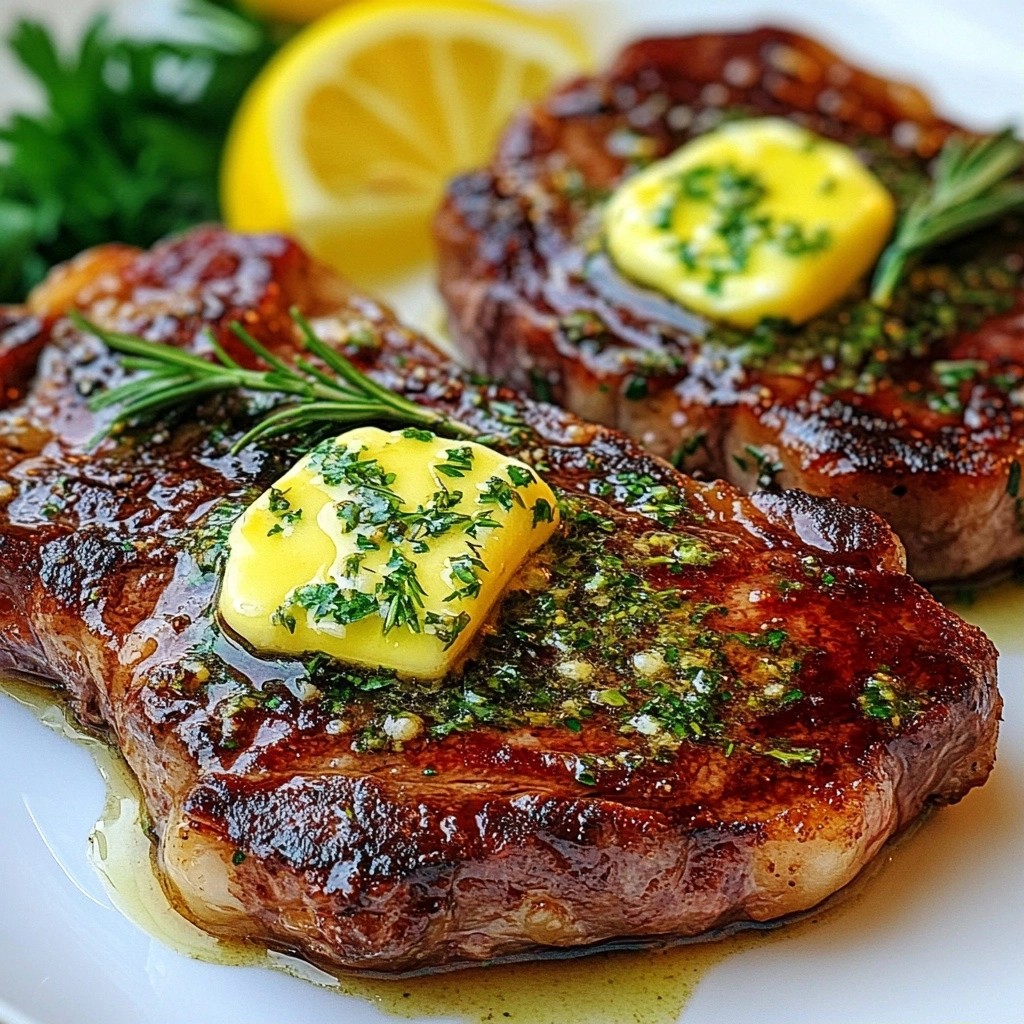
There's nothing quite like the rich, savory taste of seared steak, especially when topped with herb butter. This simple yet elegant dish transforms a regular meal into a feast. Join me as I show you how to achieve the perfect sear, enhance flavors with fresh herbs, and bring out the best in your steak. Whether you're a beginner or a seasoned cook, you'll find the tips you need for a mouthwatering main course. Let's dive in!
Why I Love This Recipe
- Flavorful Herb Butter: The blend of garlic, fresh herbs, and lemon zest creates a rich, aromatic butter that elevates the steak's flavor to a new level.
- Perfectly Seared: The high heat of the skillet ensures a beautifully caramelized crust while keeping the inside juicy and tender.
- Simple Ingredients: With just a few basic ingredients, this recipe proves that great flavor doesn’t have to be complicated.
- Impressive Presentation: Slicing the steak and topping it with herb butter not only enhances taste but also makes for an eye-catching dish.
Ingredients
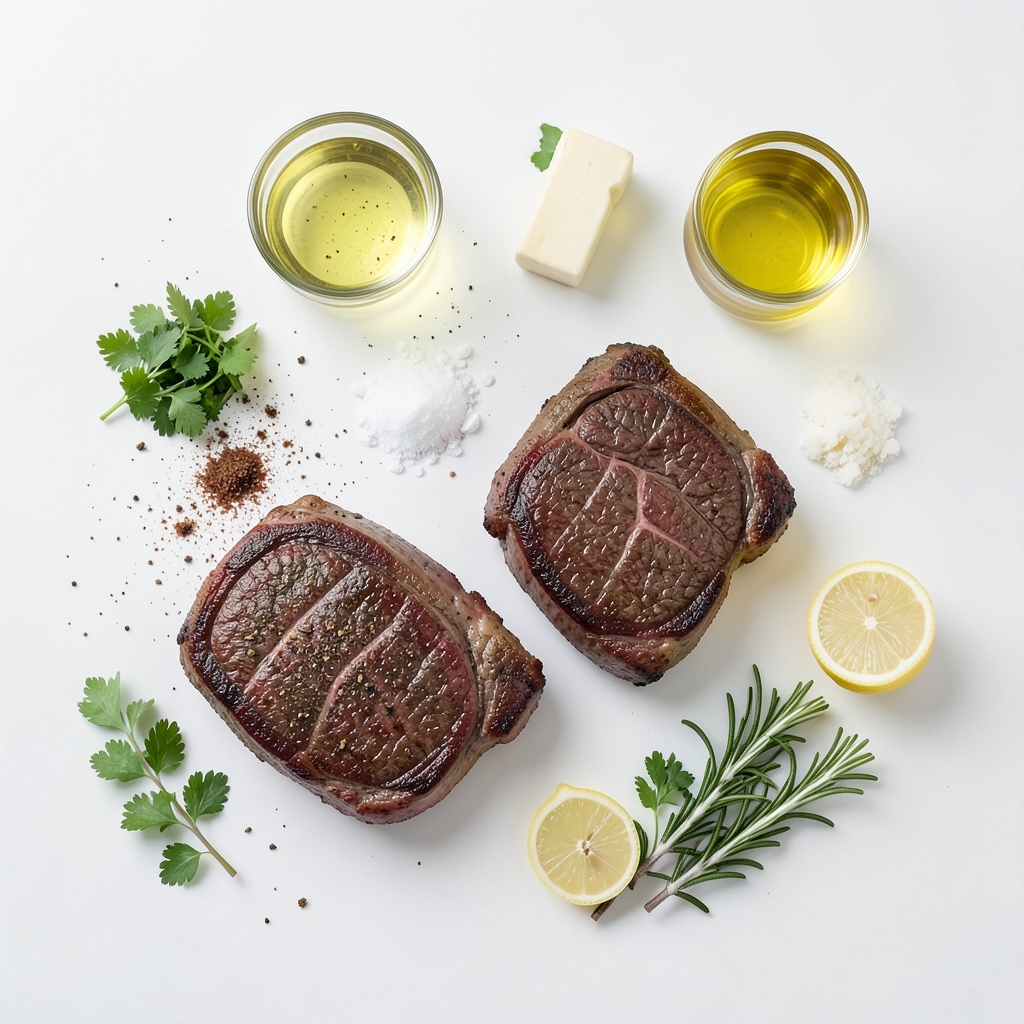
The key to a great seared steak with herb butter is all about the ingredients. Each one plays a part in the flavor and texture. Here’s what you need:
- 2 ribeye steaks (1-inch thick)
- Salt and pepper to taste
- 2 tablespoons olive oil
- 3 tablespoons unsalted butter
- 2 cloves garlic, minced
- 2 tablespoons fresh parsley, chopped
- 1 tablespoon fresh thyme leaves
- 1 tablespoon fresh rosemary, chopped
- Zest of 1 lemon
- Lemon wedges for serving
Ribeye steaks are my favorite for their rich flavor and marbling. They stay juicy and tender when cooked. You can always swap them for other cuts, but they might not be as good.
Herbs and seasonings are key. Fresh garlic adds a punch, while parsley, thyme, and rosemary give depth. The lemon zest brings a bright note that cuts through the richness.
Essential cooking fats are crucial for searing. Olive oil has a high smoke point, which works well in hot pans. Unsalted butter is perfect for flavor and basting.
Finally, lemon wedges are a must when serving. They add a burst of freshness and balance the dish. Use these simple ingredients to create something amazing.
Step-by-Step Instructions
Preparing the Herb Butter
To make the herb butter, I start by mixing softened unsalted butter with minced garlic, chopped parsley, thyme, rosemary, and lemon zest in a small bowl. I stir until all the ingredients blend well. Once mixed, I place the butter mixture on a piece of plastic wrap. I roll it into a log shape and then refrigerate it for about 30 minutes. This helps the flavors meld and makes it easy to slice later.
Seasoning the Steaks
Before cooking, I remove the ribeye steaks from the fridge and let them sit at room temperature for about 30 minutes. This step helps them cook evenly. I then generously season both sides with salt and pepper. I ensure I cover every part of the steak. This adds great flavor and enhances the crust.
Cooking the Steaks
Next, I preheat a heavy skillet, preferably cast iron, over high heat until it’s very hot. I add two tablespoons of olive oil and swirl it around to coat the bottom of the pan. When the oil shimmers, I carefully place the steaks in the skillet. I sear them for about 4-5 minutes on one side without moving them. This forms a nice crust.
After that, I use tongs to flip the steaks over. I add one tablespoon of the prepared herb butter to the skillet. I sear the other side for an additional 3-4 minutes for medium-rare. I adjust the time based on how I like my steak cooked. While it cooks, I use a spoon to baste the steak with the melted herb butter. This adds even more flavor.
Letting the Steaks Rest
Once the steaks are cooked to my liking, I remove them from the skillet. I place them on a cutting board and let them rest for about 5 minutes. Resting is important because it allows the juices to settle. If I cut the steak too soon, the juices will run out, and it can dry out. After resting, the steaks are ready to slice and serve with the herb butter on top.
Tips & Tricks
Choosing the Right Cut of Steak
Choose ribeye for a juicy, flavorful steak. Ribeye has a higher fat content, giving it a rich taste. Other cuts like sirloin or filet mignon are leaner, but may lack the same depth of flavor.
- Ribeye: Best for taste and tenderness.
- Sirloin: Leaner, good for grilling.
- Filet mignon: Very tender, but mild in flavor.
Perfecting the Sear
Searing is key to get that perfect crust. Use high heat to lock in juices. Heat your skillet until it’s very hot before adding oil. This helps the steak sizzle and not steam.
- Avoid overcrowding the pan; this cools the skillet.
- Don’t move the steak too soon; let it form a crust.
Enhancing the Flavor
While the herb butter is fantastic, you can mix things up with other herbs. Basil, chives, or even dill can add unique flavors.
You can also try a marinade. A mix of soy sauce, garlic, and a splash of vinegar works wonders.
- Alternative herbs: Basil, chives, dill.
- Marinade options: Soy sauce, garlic, vinegar.
Pro Tips
- Let the Steak Rest: Allowing the steak to rest for a few minutes after cooking helps the juices redistribute, resulting in a more tender and flavorful bite.
- Use a Meat Thermometer: For perfect doneness, use a meat thermometer. Aim for 130°F (54°C) for medium-rare and adjust cooking time accordingly.
- Don't Skip the Basting: Basting the steak with the herb butter while it cooks adds incredible flavor and moisture, making for a richer taste experience.
- Choose the Right Pan: A heavy skillet, like cast iron, retains heat better and helps achieve that perfect sear and crust on the steak.
Variations
Different Steak Cuts
You can use various steak cuts for this recipe. Each cut brings a unique taste.
- Filet mignon: This cut is tender and has a mild flavor. It cooks well with herb butter, adding richness.
- New York strip: This cut is firmer and has a robust taste. It pairs nicely with herb butter, enhancing its savory notes.
Flavor Profiles
Switching up the herb butter can change the whole dish. You can try different flavors to match your mood.
- Asian-inspired herb butter: Add ginger and sesame oil. This brings a warm, nutty flavor that works well with steak.
- Spicy herb butter variations: Mix in chili flakes or fresh jalapeño for a kick. This adds heat, making your steak even more exciting.
Serving Suggestions
Think about what to serve with your steak. Good sides and sauces can elevate your meal.
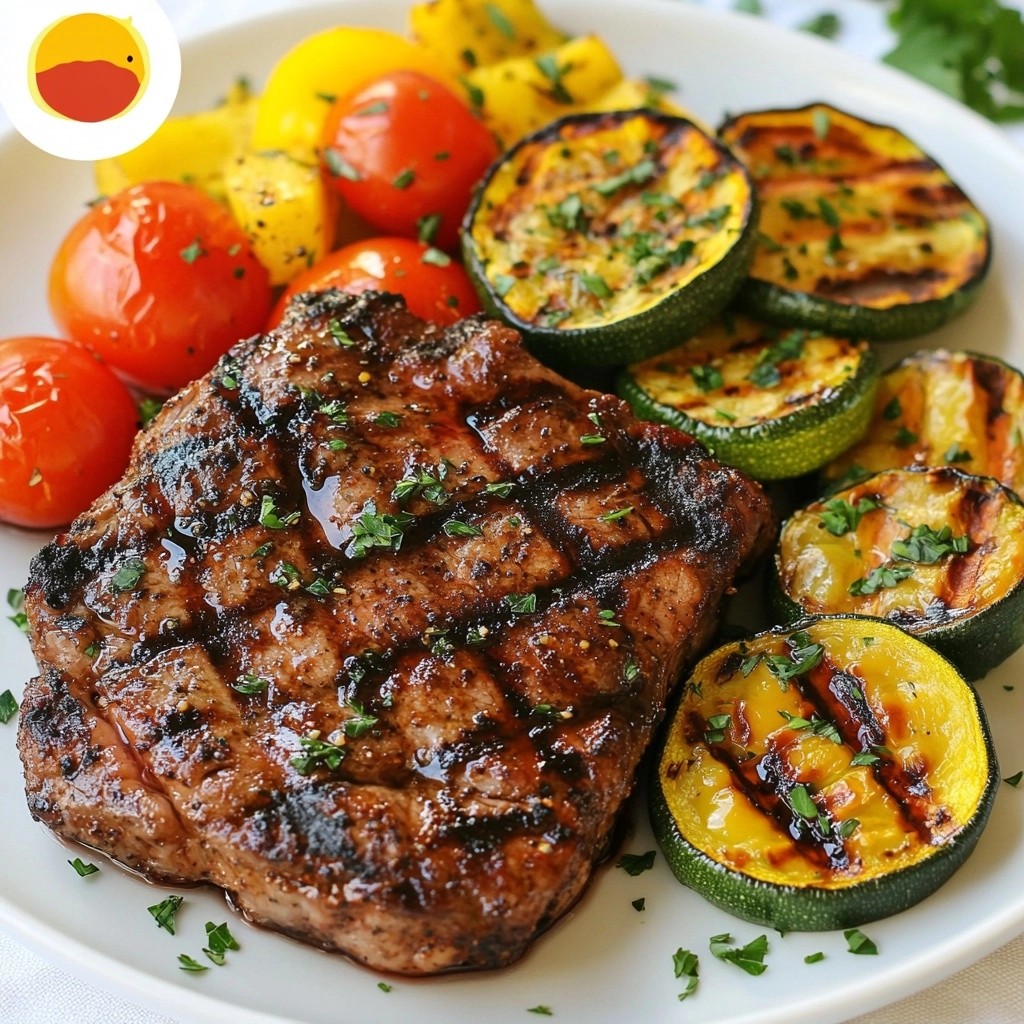
- Side dishes: Consider roasted veggies or creamy mashed potatoes. They balance the richness of the steak.
- Sauces and dips: A garlic aioli or chimichurri sauce can add even more flavor. These options will make every bite memorable.
Storage Info
Refrigeration
After enjoying your delicious steak, you may have leftovers. To store leftover steaks, place them in an airtight container. Make sure the container is sealed well to keep out air and moisture. This way, your steak stays fresh and tasty.
Cooked steaks can last in the fridge for 3 to 4 days. If you want to keep it longer, freezing is a better option.
Freezing
For proper freezing techniques, wrap your steak tightly in plastic wrap. Then, place it in a freezer bag or airtight container. This helps prevent freezer burn.
When you are ready to eat, thaw the steak in the fridge overnight. This ensures even thawing and keeps it juicy. After thawing, you can reheat it in a skillet or the oven.
Storing Herb Butter
Store your herb butter in the fridge for up to 2 weeks. Wrap it in plastic wrap or place it in an airtight container. This keeps it fresh and ready for use.
You can also use herb butter in other dishes. Try melting it over vegetables or mixing it into pasta. It adds a burst of flavor to any meal.
FAQs
How do I know when my steak is done?
To check if your steak is done, use a meat thermometer.
- For rare, aim for 125°F (52°C).
- For medium-rare, look for 135°F (57°C).
- For medium, target 145°F (63°C).
- For medium-well, check for 150°F (66°C).
- For well-done, it should be 160°F (71°C).
You can also use visual cues. A rare steak will feel soft when pressed. A medium steak will feel firmer but still springy. A well-done steak will feel very firm.
Can I use frozen steaks for this recipe?
Yes, you can use frozen steaks.
First, thaw them safely. The best way is to leave them in the fridge overnight. If you need them fast, place the sealed steaks in cold water for 1-2 hours.
When cooking frozen steaks, add extra time. Sear them for about 6-7 minutes on each side. This helps them cook through evenly.
What if I don't have a cast iron skillet?
If you lack a cast iron skillet, don’t worry!
You can use a heavy stainless-steel skillet. Just make sure it can handle high heat.
If using a non-stick skillet, heat it to medium-high, but be careful. Non-stick pans can’t reach as high of a temperature. Adjust the cooking time slightly to make sure the steak gets a nice crust.
Cooking ribeye steaks at home can be simple and fun. We covered the best ingredients, seasoning methods, cooking techniques, and resting tips. Each step matters for great flavor and texture. Remember, you can use herbs and even try different steak cuts for variety. Storing leftovers correctly keeps meals exciting for later. With the right approach, you’ll impress friends and family with your skills. Try these methods, and enjoy delicious steak nights at home. You have the tools to make every meal memorable.