
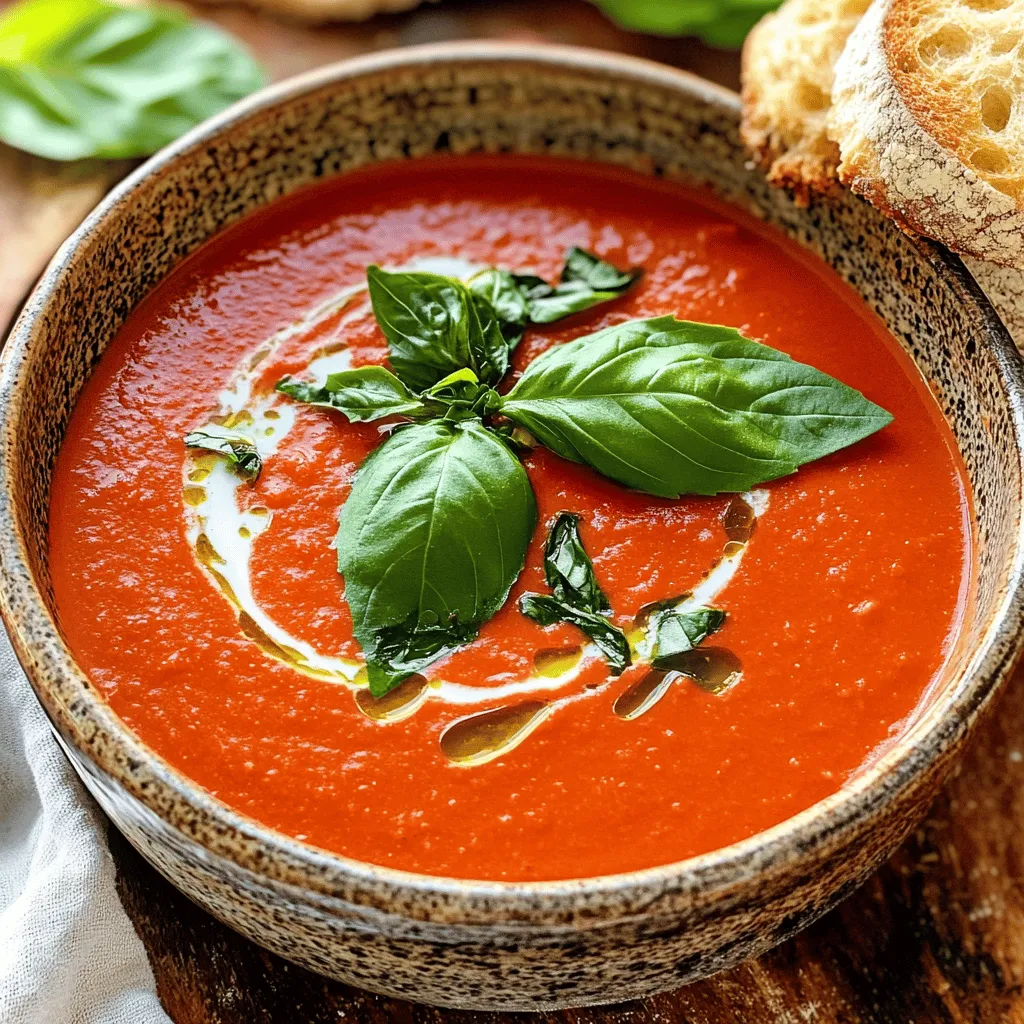
Vegan Creamy Tomato Soup Rich and Flavorful Recipe

If you love rich and flavorful comfort food, you’ll adore this Vegan Creamy Tomato Soup recipe. It’s a simple and tasty way to warm up your meal times. Packed with fresh tomatoes and creamy coconut milk, it’s perfect for everyone. Whether you’re vegan or just looking for a delicious dish, this soup will satisfy your cravings. Let’s dive into the tasty world of creamy soups!
Ingredients
List of Ingredients
To make Vegan Creamy Tomato Soup, gather these simple items:
– 2 tablespoons olive oil
– 1 medium onion, finely chopped
– 3 cloves garlic, minced
– 1 teaspoon dried basil
– 1 teaspoon dried oregano
– 1 can (28 ounces) crushed tomatoes
– 3 cups vegetable broth
– 1 cup coconut milk (or any plant-based cream)
– 1 tablespoon maple syrup (optional, for sweetness)
– Salt and pepper to taste
– Fresh basil leaves for garnish
Optional Ingredients for Added Flavor
You can enhance the taste with these options:
– A pinch of red pepper flakes for heat
– A tablespoon of balsamic vinegar for depth
– Nutritional yeast for a cheesy flavor
– Chopped carrots or celery for extra veggies
Nutritional Information per Serving
One serving of this soup offers:
– Calories: 220
– Protein: 4 grams
– Carbohydrates: 30 grams
– Fat: 10 grams
– Fiber: 4 grams
– Sugar: 4 grams
This soup is rich in vitamins and keeps you warm.
Step-by-Step Instructions
Preparation Steps
Start by gathering all your ingredients. This makes cooking easier and faster. Chop the onion finely and mince the garlic. These steps help to release their flavors. If you want a bit of sweetness, measure out the maple syrup. Set aside your ingredients for quick access.
Cooking Instructions
In a large pot, heat the olive oil over medium heat. Add the chopped onion and sauté it for about 5 minutes. You want the onion to soften and turn translucent. Next, stir in the minced garlic, dried basil, and oregano. Cook for another minute. This lets the spices release their wonderful aroma.
Now, pour in the crushed tomatoes and vegetable broth. Stir everything to combine well. Bring the mixture to a boil. Once it reaches a boil, reduce the heat to low. Let it simmer uncovered for about 15 minutes. This helps the flavors blend and deepen.
Blending Techniques
After simmering, remove the pot from the heat. Use an immersion blender to puree the soup until it’s smooth. If you don’t have an immersion blender, carefully transfer the soup in batches to a countertop blender. Blend until creamy.
Once blended, stir in the coconut milk or any plant-based cream you prefer. If you like sweetness, add the maple syrup now. Return the pot to low heat. Warm the soup gently, stirring often. Taste the soup and season it with salt and pepper as needed.
Tips & Tricks
How to Achieve the Ideal Creamy Texture
To make your soup creamy, choose a good plant-based cream. Coconut milk works best, but you can also use cashew cream. If you want a lighter soup, try almond milk. Blend the soup well until it is smooth. An immersion blender is great for this. If you use a countertop blender, blend in small batches. Make sure to let it cool a bit before blending hot soup. This keeps the mess down.
Enhancing Flavor with Seasonings
Seasonings are key to a tasty soup. Start with salt and pepper for the base. You can add dried basil and oregano for an Italian touch. For a sweet hint, maple syrup adds depth. You can also try red pepper flakes for a little heat. Taste your soup as you go. Adjust the seasonings to fit your taste. A squeeze of lemon juice at the end brightens the flavors too.
Common Mistakes to Avoid
One mistake people make is not cooking the onion long enough. Sauté until it is soft and translucent. This builds the base flavor. Another mistake is over-blending the soup. You want it creamy, not watery. Add too much broth, and it can lose its richness. Lastly, be careful with salt. Taste before adding more. You can always add more, but you can’t take it out.

Variations
Different Cream Alternatives
You can switch up the cream in this soup. Coconut milk gives a rich taste, but you can try other options. Almond milk is a lighter choice. Cashew cream adds a nice nutty flavor. For a thicker texture, use silken tofu blended until smooth. Each option brings a new twist to the classic soup.
Spice Adjustments for Heat
Want more heat? Add a pinch of red pepper flakes. You can also stir in a dash of hot sauce for a spicy kick. For a milder soup, skip the heat altogether. Just use the herbs for flavor. Adjusting the spices can change the whole dish.
Adding Vegetables for Extra Nutrition
Boost the nutrition by adding vegetables. Carrots and bell peppers blend well. Chop them up and sauté with the onions. Spinach or kale can also be stirred in at the end. They cook quickly and add bright color. More veggies mean more flavor and health benefits in every bowl.
Storage Info
How to Store Leftovers
To keep your soup fresh, let it cool first. Pour the soup into an airtight container. Make sure to seal it well. Store it in the fridge for up to five days. When you want to enjoy it again, just take it out.
Reheating Instructions
When you are ready to eat your soup, pour it into a pot. Heat it over medium heat. Stir it often to avoid sticking. If it’s too thick, add a splash of vegetable broth or water. Heat until it’s hot throughout.
Freezing Tips for Future Meals
For long-term storage, you can freeze the soup. Use freezer-safe containers or bags. Leave some space at the top for expansion. The soup will last up to three months in the freezer. When ready to eat, thaw it in the fridge overnight. Reheat it as mentioned above. This way, you have a tasty meal ready anytime!
FAQs
Can I make this soup gluten-free?
Yes, you can easily make this soup gluten-free. The main ingredients are naturally gluten-free, like tomatoes and vegetable broth. Just make sure to use gluten-free broth. You can also check the labels on all packaged ingredients. This way, you can enjoy this soup without any gluten worries.
What can I substitute for coconut milk?
If you don’t have coconut milk, there are great options. You can use almond milk or cashew cream for a nutty flavor. Soy milk or oat milk also work well, but they may change the taste a bit. If you want a creamy texture, choose any plant-based cream. These options will still give your soup a nice richness.
How long does Vegan Creamy Tomato Soup last in the fridge?
This soup lasts about 4 to 5 days in the fridge. Store it in an airtight container to keep it fresh. If you want to keep it longer, consider freezing it. In that case, it can last for up to 3 months. Just thaw and reheat when you’re ready to enjoy it again. For the best taste, always check for signs of spoilage before eating.
This blog post shows you how to make a creamy tomato soup. We discussed the main ingredients and fun optional ones for flavor. I explained steps for preparing, cooking, and blending your soup. Plus, I shared tips to get the texture just right and avoid common problems. Variations let you customize it with different creams and veggies. Finally, we went over storage methods to keep your soup fresh. Enjoy your cooking adventure!



![- 1 pound large shrimp, peeled and deveined - 3 tablespoons unsalted butter - 4 cloves garlic, minced - 1/4 cup honey - 2 tablespoons soy sauce - 1 tablespoon freshly squeezed lemon juice - Salt and pepper to taste - Chopped fresh parsley for garnish Accurate measurements are key for this dish. They ensure a tasty balance of flavors. For shrimp, look for large ones that are firm and bright in color. Fresh shrimp should smell like the ocean, not fishy. If you can, buy shrimp from a trusted source. This will give you the best taste and quality. Start by melting the butter in a large skillet over medium heat. Once the butter is melted, add the minced garlic. Sauté the garlic for about one minute. Keep an eye on it to avoid burning. Next, add the honey, soy sauce, and lemon juice to the skillet. Stir everything well to mix the flavors. Increase the heat slightly and let the sauce simmer for about two minutes. This will help it thicken and enhance the taste. Now, it’s time to cook the shrimp. Add the peeled and deveined shrimp to the skillet. Season them with salt and pepper for some flavor. Cook the shrimp for two to three minutes on one side. You’ll know they're ready to flip when they turn pink. Carefully flip the shrimp and cook the other side for another two to three minutes. The shrimp should be fully cooked and opaque. Once your shrimp are cooked, remove the skillet from the heat. For a fresh touch, garnish with chopped parsley. This adds color and flavor. Serve the honey garlic butter shrimp over a bed of rice or quinoa. Drizzle some of the remaining sauce on top for extra taste. Adding lemon wedges on the side can brighten the dish. Enjoy your meal! For the complete recipe, check the [Full Recipe]. To tell when shrimp are perfectly cooked, look for a few signs. First, they should turn pink and opaque. This usually takes 2-3 minutes per side. If they curl into a C shape, that means they're done. Be careful not to overcook them, as they can become tough. Prevent garlic from burning during cooking by following a simple trick. Cook it over medium heat and watch it closely. Once it’s fragrant, add the honey and soy sauce quickly. This helps keep the garlic sweet and tasty. You can add spices or herbs for extra flavor in this dish. A pinch of red pepper flakes can add heat. Fresh thyme or basil can brighten the taste. Don’t be afraid to experiment and find what you love. For complementary sides, I suggest serving the shrimp with rice or quinoa. These grains soak up the sauce well. A crisp salad or steamed veggies also pairs nicely with the dish. The best skillet for cooking shrimp is a non-stick one. It helps prevent sticking and makes cleaning easy. I recommend a large skillet that allows enough space for shrimp to cook evenly. For peeling and deveining shrimp, use a small but sharp paring knife. This tool gives you control and precision. You can also use kitchen scissors for quick work. These tools make prep simple, so you can enjoy cooking. Explore the [Full Recipe] for more details on making honey garlic butter shrimp! {{image_2}} You can change the sweetener in honey garlic butter shrimp. Try maple syrup or agave nectar. They add a nice twist while keeping the dish sweet. If you don’t have fresh garlic, you can use garlic powder. This works well if you’re in a hurry. Just use 1/8 teaspoon of garlic powder for each clove. For a gluten-free version, swap soy sauce with tamari. This keeps the flavor while meeting gluten-free needs. If you want it low-carb, use cauliflower rice instead of regular rice. This makes your meal lighter but still tasty. You can make this dish with Asian-inspired flavors. Try adding sesame oil or sriracha for a kick. These ingredients bring a zesty heat to your meal. For a Mediterranean touch, mix in olives or feta cheese. This gives a whole new flavor profile that pairs well with shrimp. For the full recipe, check out the Honey Garlic Butter Shrimp section. After making honey garlic butter shrimp, let it cool to room temperature. Store leftovers in an airtight container. This keeps the shrimp fresh and tasty. In the fridge, honey garlic butter shrimp lasts for about 3 days. To reheat shrimp, use a pan over low heat. This method warms them gently and keeps them juicy. Avoid the microwave; it can make shrimp rubbery. You can also mix leftover shrimp into pasta or salad for a quick meal. To freeze honey garlic butter shrimp, place it in a freezer-safe bag. Remove as much air as possible to prevent freezer burn. It can stay in the freezer for up to 3 months. When ready to eat, thaw it overnight in the fridge. Cook from frozen in a skillet over low heat until warm. For the full recipe, check out the Honey Garlic Butter Shrimp 🦐 section. Yes, you can use frozen shrimp. First, thaw them under cold water. This takes about 10-15 minutes. After thawing, dry the shrimp with a paper towel. Frozen shrimp may need a minute more to cook. Always check if they turn pink and opaque. If you can't use honey, consider these options: - Maple syrup - Agave nectar - Brown sugar These sweeteners provide a similar taste. Adjust the amount to your liking. Look for these signs: - The shrimp turn bright pink. - They curl into a C shape. - The flesh becomes opaque. Cooked shrimp should feel firm, not rubbery. Yes, you can prepare the shrimp a few hours in advance. Cook the shrimp and let them cool. Store them in a container in the fridge. Reheat gently before serving to keep them tender. Absolutely! Portion the shrimp into meal prep containers. They can last in the fridge for 2-3 days. To reheat, use low heat to avoid overcooking. You can serve them with rice or veggies for a quick meal. For the complete recipe, check out the Full Recipe section. This blog post covered a delicious honey garlic butter shrimp recipe. You learned about the necessary ingredients, including shrimp, butter, and garlic. I shared tips for preparing the sauce and cooking the shrimp perfectly. We looked at variations, storage info, and answered common questions. Now, you can cook this dish with confidence. Enjoy the great flavor and flexibility of this recipe. Don't hesitate to experiment and make it your own. Happy cooking!](https://dailydishly.com/wp-content/uploads/2025/07/4796c05b-30f7-4441-b7cb-ba0299151dfe-768x768.webp)
![- 2 cups cooked chicken, shredded - 2 cups enchilada sauce (homemade or canned) - 1 can black beans, drained and rinsed - 1 cup corn kernels (fresh, frozen, or canned) - 1 red bell pepper, diced - 1 cup chopped onions - 2 cups shredded cheddar cheese - 8 corn tortillas, cut into strips - 1 teaspoon cumin - 1 teaspoon chili powder - ½ teaspoon garlic powder - Salt and pepper to taste - Fresh cilantro for garnish - Sour cream (optional) for serving You can swap chicken for other proteins. Turkey works well too. If you prefer plant-based options, try tofu or beans. For the enchilada sauce, you can use low-sodium canned sauce. Homemade sauce is another great choice. Just mix tomatoes, spices, and broth. If you follow a gluten-free diet, use corn tortillas. They add a nice crunch. For a vegetarian version, skip the chicken. Add more beans or vegetables. This way, you keep all the flavor without meat. You can also use vegan cheese if you want a plant-based option. 1. Preheat the oven to 350°F (175°C). This step helps cook the casserole evenly. 2. Prepare your baking dish. Use a 9x13 inch dish, as it fits all the layers well. 3. Sauté the vegetables. In a large skillet, heat over medium. Add the chopped onions and diced bell pepper. Cook until soft, about 5 minutes. 4. Combine with chicken. Stir in the cooked chicken, black beans, corn, cumin, chili powder, garlic powder, salt, and pepper. Cook for 3-4 more minutes until heated through. 1. Start with enchilada sauce. Spread a thin layer at the bottom of your baking dish. 2. Add tortilla strips. Layer half of the strips over the sauce. This creates a solid base. 3. Add chicken mixture. Spoon half of the chicken mix on top of the tortillas. This ensures each bite is flavorful. 4. Sprinkle cheese. Add a cup of shredded cheddar cheese on top of the chicken mixture. The cheese melts beautifully in the oven. 5. Repeat the layers. Add more enchilada sauce, the rest of the tortilla strips, the remaining chicken mixture, and finish with the remaining cheese. Even distribution of flavors matters for a tasty casserole. 1. Cover the casserole. Use aluminum foil to cover the dish. This helps steam the ingredients while baking. 2. Bake for 25 minutes. This allows the flavors to meld and the cheese to start melting. 3. Uncover and bake again. Remove the foil and bake for an additional 10-15 minutes. You want the cheese to be bubbly and slightly golden. 4. Check for doneness. Look for a golden top and warm filling. Let it cool for a few minutes before cutting. Garnish with fresh cilantro for a lovely finish. For the complete recipe, check out the [Full Recipe]. To shred chicken well, use two forks. Hold one fork steady and pull the chicken apart with the other. This method gives you nice, even shreds. If you have a stand mixer, you can use it too. Just place the cooked chicken in the bowl and mix on low for a few seconds. When sautéing vegetables, heat the pan first. Add a splash of oil, then toss in the chopped onions and bell peppers. Stir them often until they are soft, about five minutes. This method brings out the sweet flavors and keeps the veggies bright. Boost flavor with garnishes. Fresh cilantro adds a fresh taste. A dollop of sour cream gives a nice creamy touch. You can also add sliced jalapeños for some heat. Pair chicken enchilada casserole with sides like rice, beans, or a simple salad. These add color and balance to the meal. You can serve tortilla chips for a fun crunch. To reheat leftovers, use the oven for the best results. Preheat it to 350°F (175°C). Place the casserole in a baking dish, cover it with foil, and heat for about 20 minutes. If you're in a hurry, the microwave works too. Just heat in short bursts, stirring in between. This helps keep the texture nice. Avoid overheating, as it can dry out the dish. {{image_2}} You can easily change the flavor of your Chicken Enchilada Casserole. Add spices like jalapeños or cayenne for extra heat. These spices can bring a nice kick to the dish. If you love cheese, try using pepper jack or Monterey Jack. These cheeses melt well and add a creamy texture. You can also switch up the style of your casserole. For a vegetarian version, use black beans and your favorite veggies. This version is healthy and full of flavor. You can even try a green enchilada sauce instead of the red. This gives the dish a fresh twist that many enjoy. If you're on a keto diet, you can make some changes. Use cauliflower rice instead of tortillas. This keeps the carbs low. For vegan options, swap chicken for plant-based proteins like lentils or chickpeas. Both options work well and keep the dish hearty and filling. For the full recipe, check out the Cheesy Chicken Enchilada Casserole. To store your Chicken Enchilada Casserole, let it cool first. Then, place it in an airtight container. I recommend using glass or plastic containers with tight lids. This keeps the casserole fresh and prevents any spills in your fridge. If you want to freeze portions, cut the casserole into squares. Wrap each piece tightly in plastic wrap, then place them in a freezer bag. This method saves space and protects the flavors. When ready to eat, take a piece out and thaw it in the fridge overnight. Reheat in the oven at 350°F until warm. In the refrigerator, Chicken Enchilada Casserole lasts about 3 to 4 days. If you freeze it, it can last up to 3 months. Just remember to label your containers with the date. This helps you keep track of freshness. You can swap chicken for many tasty options. If you want a vegetarian dish, use black beans or lentils. For a vegan choice, try jackfruit or tofu. Shredded mushrooms can also add nice texture. If you prefer meat, turkey is a great substitute. You can also use shredded beef or pork for a different flavor. Yes, you can prepare the Chicken Enchilada Casserole in advance! Assemble it in the baking dish, cover it, and store it in the fridge for up to 24 hours. When you're ready, just bake it straight from the fridge. If you want to freeze it, wrap it well and store for up to three months. Thaw it overnight in the fridge before baking. To make a complete meal, pair your casserole with simple sides. A fresh green salad adds crunch. You can serve rice or quinoa for a hearty touch. Guacamole and tortilla chips are also fun options. For a cooling effect, try a dollop of sour cream on the side. Chicken Enchilada Casserole comes from Mexican cuisine. Enchiladas are rolled tortillas filled with meat and sauce. The casserole form makes it easier to serve. It blends flavors from different regions, showcasing spices and fresh ingredients. This dish brings families together at the table and is a favorite for gatherings. This blog post covered how to make a tasty Chicken Enchilada Casserole. We started with a list of ingredients, including different proteins and sauces. Next, we shared easy step-by-step instructions for preparation, layering, and baking. We explored tips for cooking and serving, as well as variations to suit dietary needs. Lastly, we discussed storage options and common questions. Enjoy making this dish your own. It's simple, flexible, and full of flavor!](https://dailydishly.com/wp-content/uploads/2025/07/9970a47c-7c3f-446c-bbbe-f15e5a47e982-768x768.webp)
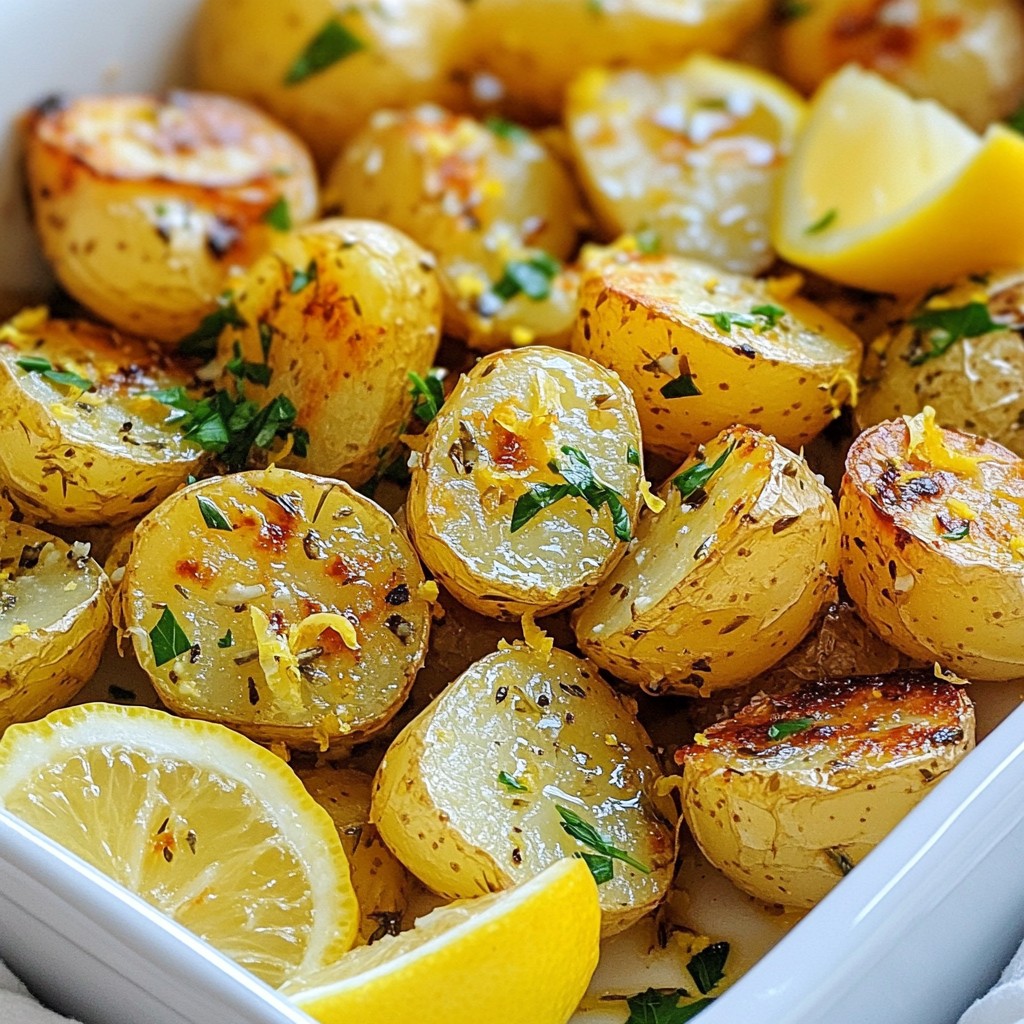
![To make delicious Garlic Herb Roasted Fingerling Potatoes, you need just a few key items. Here’s what you will need: - 1.5 pounds fingerling potatoes, halved lengthwise - 4 cloves garlic, minced - 3 tablespoons olive oil - 1 tablespoon fresh rosemary, chopped - 1 tablespoon fresh thyme, chopped - 1 teaspoon sea salt - ½ teaspoon black pepper - Zest of 1 lemon These ingredients are simple, but they create a wonderful taste. The fingerling potatoes give a nice texture, while garlic adds a rich flavor. Apart from the main ingredients, a few seasonings can elevate the dish. I recommend using: - Sea salt for balanced flavor - Black pepper for warmth - Fresh rosemary for a woodsy aroma - Fresh thyme for a hint of earthiness These herbs and spices work well together. They bring out the best in the potatoes and make them taste gourmet. You can customize your dish with some optional add-ins. Here are a few ideas: - Crushed red pepper for spice - Parmesan cheese for a savory twist - Other herbs like parsley or dill for freshness These add-ins can change the flavor profile. Feel free to experiment based on your taste preferences. For the full recipe, check out the instructions above. First, wash the fingerling potatoes well under cold water. Scrub them gently to remove any dirt. Then, slice them in half lengthwise. This helps them cook evenly. Place the cut potatoes into a large bowl. Now, add the minced garlic to the bowl with the potatoes. Next, pour in the olive oil. Sprinkle in the fresh rosemary and thyme. Then, add the sea salt, black pepper, and lemon zest. Toss everything together. Make sure all the potatoes get coated well. This mix brings out great flavors in the dish. Preheat your oven to 425°F (220°C). Spread the coated potatoes on a baking sheet lined with parchment paper. Arrange them cut side down for the best crisp. Roast them in the oven for 25-30 minutes. Flip the potatoes halfway through. This step helps them cook evenly. Look for a golden color and a tender inside. When done, take them out and let them cool for a few minutes. Adjust seasoning if needed. Serve hot for a delightful treat! For the complete recipe, check out the [Full Recipe]. To get that perfect crispiness, choose small fingerling potatoes. They have thin skins that roast well. Cut them in half lengthwise. This allows the cut side to get nice and brown. Toss them in olive oil and seasonings, then lay them cut side down on the baking sheet. This placement helps them crisp up beautifully. Roasting at 425°F (220°C) makes a big difference. The high heat brings out their natural sugars and creates a great texture. Timing is key for the best Garlic Herb Roasted Fingerling Potatoes. Roast them for about 25-30 minutes. Check them halfway through and flip for even cooking. If you want extra crunch, leave them in for a few more minutes. If your oven runs hot, lower the temperature a bit to avoid burning. Use a fork to test if they are tender. They should be soft inside and crispy outside. You can add a twist to your Garlic Herb Roasted Fingerling Potatoes. Try adding some grated Parmesan cheese during the last five minutes of roasting. It melts and gives a savory kick. Want some heat? Add a pinch of red pepper flakes to the mix. Fresh herbs like parsley or chives can also brighten the dish. For a tangy finish, drizzle a bit of balsamic glaze before serving. Each of these tweaks makes the dish even more delightful. For the complete recipe, check out the Full Recipe. {{image_2}} Want a kick? Add some heat to your Garlic Herb Roasted Fingerling Potatoes. You can mix in red pepper flakes or cayenne pepper. Start with half a teaspoon and adjust to your taste. The spice will blend well with the garlic. You’ll love the extra flavor it brings to the dish. For a heartier meal, consider adding vegetables. Bell peppers and zucchini work great. Chop them into bite-sized pieces. Toss these veggies in with the potatoes. They will roast nicely and soak up the garlic and herb flavors. This makes your dish colorful and healthy. You do not have to use the oven! You can try cooking these potatoes in an air fryer. Set it to 400°F (200°C) for about 15-20 minutes. Shake the basket halfway through for even cooking. If you want a smoky flavor, grill the potatoes. Wrap them in foil with the seasoning and grill for 20-25 minutes. Both methods give you crispy, tasty potatoes. You can find the Full Recipe to try these variations. To keep your Garlic Herb Roasted Fingerling Potatoes fresh, store them in an airtight container. Let them cool to room temperature first. This helps to prevent moisture buildup. Place the container in the fridge. They will stay good for about 3 to 5 days. If you want to keep them longer, freezing is a great option. When you’re ready to enjoy your leftovers, reheating is key. Preheat your oven to 350°F (175°C). Spread the potatoes on a baking sheet in a single layer. This helps them heat evenly. Bake for about 10 to 15 minutes until they are warm. You can also reheat them in a skillet over medium heat. This gives them a nice crisp again. If you want to freeze your potatoes, here’s what to do. First, let them cool completely. Place them in a freezer-safe bag or container. Squeeze out as much air as you can before sealing. They can last up to 3 months in the freezer. When you’re ready to use them, thaw them in the fridge overnight before reheating. This helps keep their texture and flavor intact. For more details on making these delightful potatoes, check out the Full Recipe. The best potatoes for roasting are fingerling potatoes. They have a creamy texture and a great taste. Their shape allows for even cooking and crispy skin. Other good choices are Yukon Gold and red potatoes. They add flavor and hold up well during cooking. Yes, you can prepare these potatoes ahead of time. You can cut and season them a few hours before cooking. Just store them in a bowl covered with water to prevent browning. When ready, drain them and roast as per the full recipe. This saves time and effort when you're ready to eat. To serve more people, simply double or triple the recipe. Use more fingerling potatoes and adjust the seasonings accordingly. Keep the same ratios for garlic, herbs, and oil. Ensure you use a larger baking sheet for even roasting. Roast in batches if needed, to keep them crispy. In this post, we explored how to make garlic herb roasted fingerling potatoes. We covered essential ingredients, step-by-step cooking methods, and useful tips for crispiness. You learned about delicious variations, smart storage techniques, and answered common questions. Now you can create tasty roasted potatoes that shine on any table. Enjoy experimenting with flavors, and remember, simple adjustments can make a big difference. Happy cooking!](https://dailydishly.com/wp-content/uploads/2025/06/1341fca4-d817-4f84-a737-3e9321494587-768x768.webp)