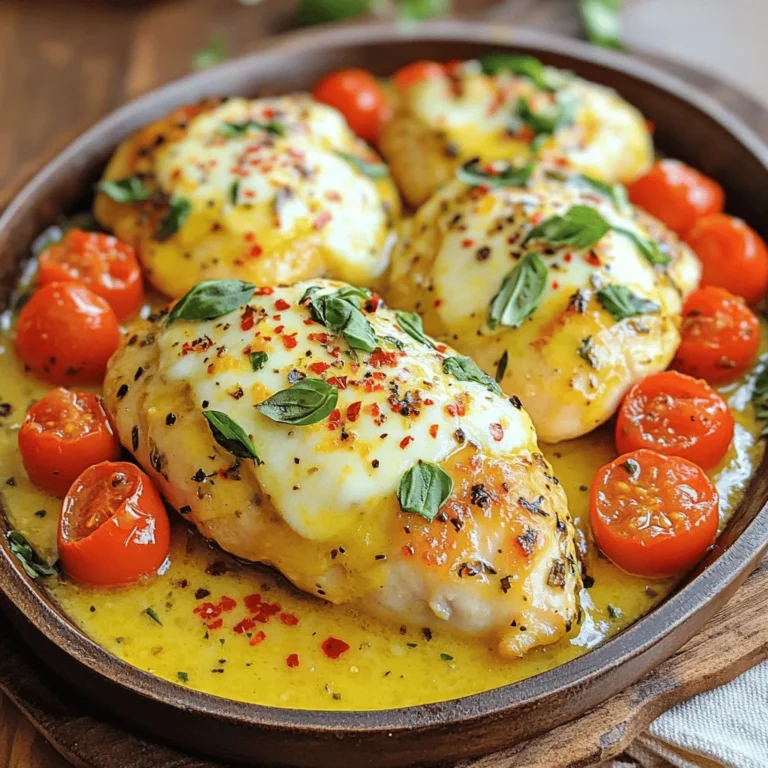
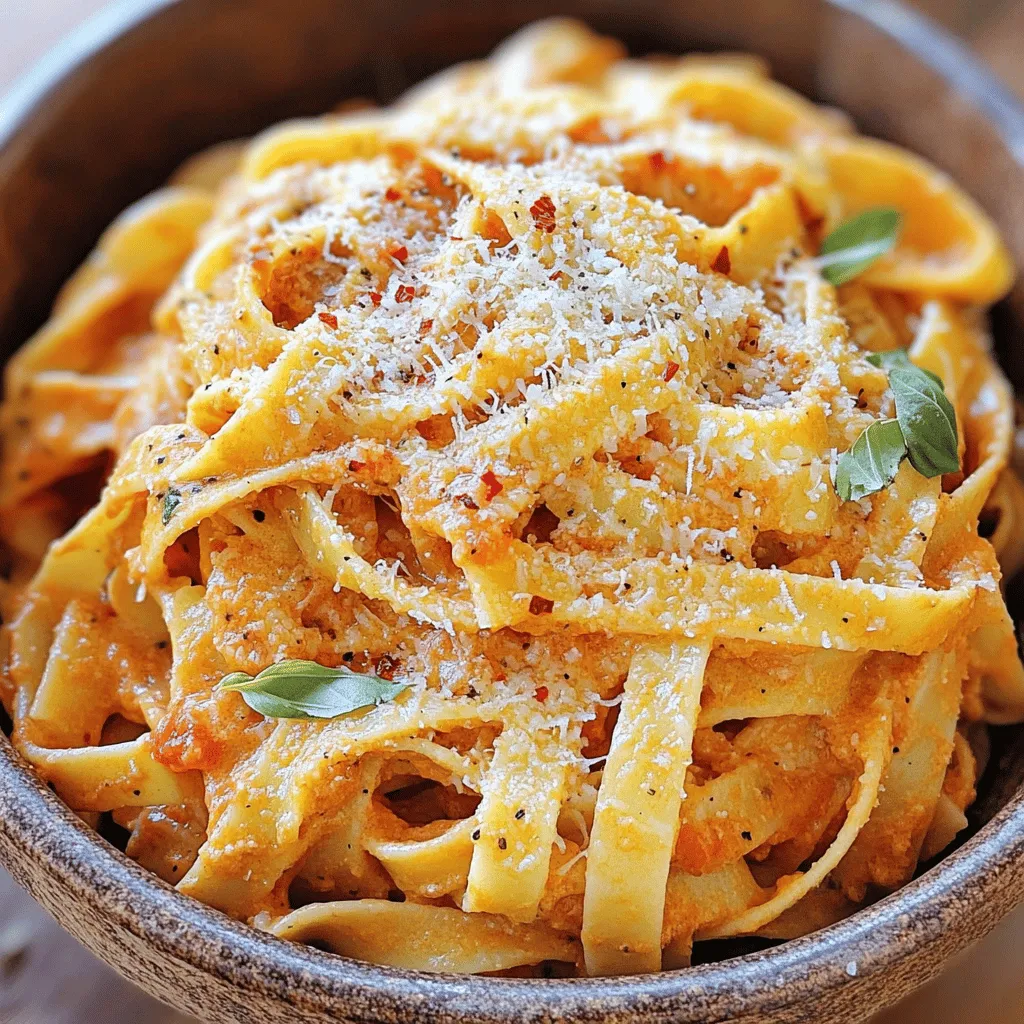
Creamy Tomato Basil Pasta Flavorful and Simple Recipe

Looking for a simple, flavorful dish that’s sure to impress? You’ll love this creamy tomato basil pasta! With fresh ingredients like garlic, crushed tomatoes, and Parmesan cheese, I’ll guide you through each step to create a comforting, homemade meal. Whether you’re cooking for yourself or inviting guests, this recipe is easy to make and packed with taste. Let’s dive in and make pasta night unforgettable!
Ingredients
Essential Ingredients for Creamy Tomato Basil Pasta
To make creamy tomato basil pasta, you need a few key items. Start with your choice of pasta. Fettuccine or penne works great. Next, gather the flavorings that will make your dish pop. You will need garlic, crushed tomatoes, and fresh basil. These ingredients bring out the best flavors.
For the creamy base, you will need heavy cream and Parmesan cheese. Heavy cream gives the sauce richness, while Parmesan adds a savory touch.
Here’s your list of essential ingredients:
– 12 oz pasta (fettuccine or penne)
– 2 tablespoons olive oil
– 3 cloves garlic, minced
– 1 can (14 oz) crushed tomatoes
– 1 cup heavy cream
– 1 cup fresh basil leaves, chopped
– 1 teaspoon sugar
– Salt and pepper to taste
– ½ cup grated Parmesan cheese
Optional Ingredients
Feel like spicing things up? You can add red pepper flakes for some heat. This small addition can transform your dish. If you love herbs, feel free to include other spices. Oregano or thyme can enhance the flavor even more.
Here’s a quick look at optional ingredients:
– Red pepper flakes for heat
– Additional herbs or spices
Step-by-Step Instructions
Cooking the Pasta
Start by boiling a large pot of salted water. Bring the water to a rolling boil. Add 12 ounces of your chosen pasta, like fettuccine or penne. Cook according to the package instructions until the pasta is al dente. This means it should still have a slight bite when you eat it. After cooking, drain the pasta, but remember to save some of that pasta water. This water is starchy and will help thicken your sauce later.
Preparing the Sauce
In a large skillet, heat 2 tablespoons of olive oil over medium heat. Once the oil is hot, add 3 cloves of minced garlic. Sauté the garlic for about one minute. You want it fragrant but not burnt. Next, pour in one can of crushed tomatoes. Stir in one teaspoon of sugar to balance the acidity. Season with salt and pepper to taste. Let the sauce simmer for about five minutes. This allows the flavors to blend nicely.
Final Sauce Adjustments
Now, reduce the heat to low. Add one cup of heavy cream to the tomato mixture. Stir well to combine and let it cook for another 3-4 minutes. This will make your sauce creamy and rich. Then, add one cup of chopped fresh basil to the sauce and stir. If the sauce seems too thick, add a little bit of the reserved pasta water. This helps reach your desired consistency without losing flavor.
Combining Pasta and Sauce
Now, it’s time to combine everything. Add the cooked pasta to the sauce in the skillet. Toss the pasta with the sauce to coat it evenly. Cook for an additional two minutes on low heat. This helps the pasta absorb the sauce. Finally, remove the skillet from heat and stir in half a cup of grated Parmesan cheese. This adds a nice cheesy flavor. Adjust the seasoning if needed. Your creamy tomato basil pasta is now ready to serve!
Tips & Tricks
Best Practices for Creamy Tomato Basil Pasta
To make your creamy tomato basil pasta perfect, focus on the sauce’s texture. Start with the heavy cream. Pour it in slowly. Stir well and let it cook gently. This gives you that rich, creamy feel. If it feels too thick, use some reserved pasta water. This helps you find the right balance.
Adjusting the seasoning is key. Taste as you cook. If it needs more flavor, add a pinch of salt or a dash of pepper. A little sugar can help cut the acidity of the tomatoes. This small step makes a big impact on taste.
Time-Saving Tips
Want to save time? Use pre-cooked or refrigerated pasta. This cuts your cooking time in half. Just warm it up in the sauce for a few minutes.
Prepare your ingredients ahead of time. Chop the garlic and basil before you start. This way, you can focus on cooking and mix everything smoothly. It helps make your cooking experience more enjoyable and less stressful.
Variations
Healthy Alternatives
You can make this creamy tomato basil pasta lighter and healthier. Start by swapping heavy cream with lighter options. Try using Greek yogurt or cashew cream for a creamy texture with fewer calories. You can also use almond milk or coconut milk as a dairy-free alternative.
Another great choice is using whole grain or gluten-free pasta. Whole grain pasta adds fiber and nutrients. Gluten-free pasta allows those with gluten intolerance to enjoy the dish. Both options work well with the creamy sauce and enhance the meal.
Flavor Enhancements
To make your pasta more exciting, you can add vegetables like spinach or mushrooms. Fresh spinach adds color and nutrients, while mushrooms bring a rich, earthy taste. Sauté these veggies with your garlic for a flavorful boost.
If you want to add protein, consider chicken or shrimp. Grilled chicken provides a hearty addition, while shrimp cooks quickly and adds a sweet flavor. Both pair well with the creamy sauce and make the dish more filling.
Unique Pairings
For side dishes, consider a light salad. A simple green salad with vinaigrette complements the rich pasta. You might also serve garlic bread for a classic touch. It’s great for soaking up the extra sauce.
When it comes to wine, a crisp white wine like Sauvignon Blanc works well. Its acidity cuts through the creaminess of the sauce. If you prefer red, a light Pinot Noir can also be a good match. Enjoying these pairings elevates your dining experience with creamy tomato basil pasta.
Storage Info
Proper Storage Techniques
After you enjoy your creamy tomato basil pasta, store leftovers correctly. First, let the pasta cool to room temperature. Then, place it in an airtight container. In the fridge, it stays fresh for about three to four days. Make sure to label your container with the date.
If you want to save it longer, freezing is a great option. Use freezer-safe bags or containers. You can freeze the pasta for up to three months. Just remember to divide it into portions for easy thawing later.
Reheating Tips
When it’s time to reheat, keep it creamy and delicious. The best method is to use the stovetop. Add a splash of water or milk to the pan. Heat it over low to medium heat. Stir often to prevent sticking.
If you use the microwave, cover the bowl. Heat in short bursts, stirring in between. This helps keep the creaminess intact. Avoid cooking it too long to prevent overcooked pasta. Enjoy your meal just as good as the first time!
FAQs
How can I make this recipe vegetarian?
You can make this recipe vegetarian by skipping meat products. Instead of chicken or sausage, use vegetables like mushrooms, zucchini, or bell peppers. These add great flavor and texture. You can also toss in some cooked lentils or chickpeas for protein.
Can I make this recipe ahead of time?
Yes, you can prep this dish ahead of time! Cook the pasta and sauce separately. Store them in the fridge for up to two days. When ready to eat, just reheat the sauce and mix it with the pasta. This saves time on busy days.
What can I substitute for heavy cream?
If you want a lighter dish, use half-and-half or whole milk instead of heavy cream. You can also try coconut cream for a dairy-free option. Silken tofu blended with a bit of milk works well too. These alternatives keep the creaminess without the full calories.
How long does the dish last in the fridge?
This creamy tomato basil pasta lasts in the fridge for about three days. Store it in an airtight container to keep it fresh. When you want to enjoy it again, just reheat it on low heat.
What other herbs can I use besides basil?
You can use many herbs to change the flavor of this dish. Try oregano for an Italian twist or thyme for a warm taste. Fresh parsley adds a nice touch too. For a bit of spice, use cilantro. Each herb brings its unique flavor, making your meal special.
This blog post explored how to make creamy tomato basil pasta. We discussed key ingredients like pasta, garlic, and fresh basil. I shared step-by-step instructions for cooking and preparing the sauce. You learned tips for achieving the perfect creamy consistency, and variations to make it lighter or add flavors.
In conclusion, enjoy this dish in any way you wish. Its versatility makes it easy to personalize. Remember to experiment with flavors and ingredients to suit your taste. Your pasta creation will surely impress anyone who tries it!

![- 4 bone-in chicken thighs, skin-on - 2 medium zucchinis, sliced into half-moons - 1 bell pepper (red or yellow), chopped - 1 cup cherry tomatoes, halved - 1 red onion, cut into wedges - 4 cloves garlic, minced - 1/4 cup olive oil - Juice of 2 lemons - Zest of 1 lemon - 2 teaspoons dried oregano - 1 teaspoon smoked paprika - Salt and pepper to taste - Fresh parsley, chopped for garnish For the main dish, I like to use bone-in chicken thighs. They stay juicy and add great flavor. Pair them with colorful veggies like zucchini, bell peppers, cherry tomatoes, and red onion. Don’t forget the garlic—its aroma will fill your kitchen. The olive oil and lemon juice create a tasty marinade that makes everything shine. - Fresh herbs and spices - Alternative vegetables to add - Marinade variations Fresh herbs like thyme or rosemary can boost flavor even more. You could also swap in veggies like asparagus or broccoli based on what you have. For a twist, try a different marinade. A honey mustard blend or a spicy harissa can change the game. With these options, you can create your own unique version of the dish. Check out the Full Recipe for more details on how to make it! Start by whisking together the marinade. In a bowl, mix olive oil, lemon juice, lemon zest, minced garlic, oregano, smoked paprika, salt, and pepper. This mix brings bright flavors to the chicken and veggies. Marinating is key. Place the chicken thighs in a bag or bowl. Pour half of the marinade over the chicken. Let it sit in the fridge for at least 30 minutes. For stronger flavor, marinate up to 2 hours. Next, preheat your oven to 425°F (220°C). This step ensures even cooking. While the oven heats, prepare the veggies. In a large bowl, combine zucchini, bell pepper, cherry tomatoes, and red onion. Pour the remaining marinade over the veggies and toss well. This will help the vegetables soak up the flavors. Now, arrange the chicken and veggies on a sheet pan. Place the marinated chicken in the center. Spread the veggies around the chicken for even cooking. Bake the dish for 30 to 35 minutes. The chicken should reach an internal temperature of 165°F (75°C). The veggies will become tender and slightly caramelized. Check for doneness by using a meat thermometer. Once done, remove the pan from the oven. Let it rest for a few minutes before serving. Garnish with freshly chopped parsley for a pop of color. For the full recipe, check out the [Full Recipe]. To enhance the marinade, focus on fresh ingredients. Fresh lemon juice adds brightness. The zest boosts the lemon flavor. Garlic brings depth and warmth. Use quality olive oil for richness. You can also add fresh herbs like rosemary or thyme for extra flavor. When choosing chicken cuts, I recommend bone-in thighs. They stay juicy and tender during cooking. The skin adds flavor and helps crisp up nicely. You can also use drumsticks, but avoid boneless cuts. They tend to dry out faster. For even cooking, cut vegetables into similar sizes. This way, they cook together without some burning. Toss them in the marinade well. Make sure every piece is coated for the best flavor. To add textures, mix soft and crunchy vegetables. Cherry tomatoes become sweet and juicy. Zucchini softens but keeps some bite. Bell peppers add a nice crunch. Red onions caramelize, bringing sweetness to the dish. {{image_2}} You can switch up the taste of your sheet pan lemon chicken easily. Instead of lemon, try lime or orange juice. Both citrus fruits bring a unique zest to the dish. Lime adds a fresh twist, while orange gives a sweeter note. Mixing in different herbs and spices can also change the flavor profile. For example, swap oregano for thyme or rosemary. These herbs add depth and pair well with chicken. You can even try a dash of chili powder for a spicy kick! Grilling is a fun way to cook this recipe. It gives a nice smoky flavor that's hard to beat. Just marinate the chicken and veggies as usual. Then, place them on the grill until cooked through. If you want a one-pan meal, consider using other proteins. Boneless chicken breast, shrimp, or even tofu work great. Adjust the cooking time as needed. This way, you can enjoy new flavors while keeping it simple. After enjoying your sheet pan lemon chicken and veggies, store leftovers properly to keep them fresh. - Refrigerating leftovers safely: Place the chicken and veggies in an airtight container. They will stay good in the fridge for up to four days. Make sure to let them cool down before sealing the container. - Freezing guidelines for chicken and veggies: If you want to save them for later, freeze the leftovers. Use freezer-safe bags or containers. You can freeze them for up to three months. Just remember to label the bags with the date. To enjoy your meal again, reheating is key to keeping it tasty. - Best methods to maintain quality: The best way to reheat is in the oven. Preheat it to 350°F (175°C). Place the chicken and veggies in a baking dish. Cover with foil to keep them moist. - Time and temperature considerations: Heat for about 20-25 minutes. Check that the chicken reaches 165°F (75°C) again. This ensures it is safe and delicious to eat. I recommend marinating the chicken for at least 30 minutes. If you can, let it marinate for up to 2 hours. This longer time allows the chicken to soak in all the zesty flavors. The marinade adds moisture and taste, making the chicken juicy and savory. Yes, you can use boneless chicken. Just remember to adjust the cooking time. Boneless chicken cooks faster than bone-in cuts. Start checking for doneness at about 20 minutes. You want the internal temperature to reach 165°F. This will ensure your chicken is safe to eat and still juicy. If you don’t have a sheet pan, don’t worry! You can use a baking dish or a large skillet. Just make sure to arrange the chicken and veggies in a single layer. This helps them cook evenly. If you use a smaller pan, you may need to cook in batches. This recipe is great for meal prep! You can make it ahead and store the leftovers in the fridge. It keeps well for up to four days. Just reheat portions in the oven or microwave when you’re ready to eat. Divide the meal into containers for easy lunches or dinners. For a twist, try adding different sides throughout the week. Exciting meals can make your prep even more fun! For the full recipe, be sure to check out the details above. This blog post showed you how to make a tasty sheet pan lemon chicken. We covered the main and optional ingredients, plus how to prepare and cook them. You learned tips for flavor and texture, and even some fun variations. Don’t forget how to store and reheat leftovers. Now, you can enjoy delicious meals without much fuss. Try making this dish and share it with friends or family. Cooking can be fun and easy!](https://dailydishly.com/wp-content/uploads/2025/06/6619f650-0475-47be-ab23-3ec1a8437763-768x768.webp)