Savory Southwest Stuffed Peppers Easy Recipe Guide
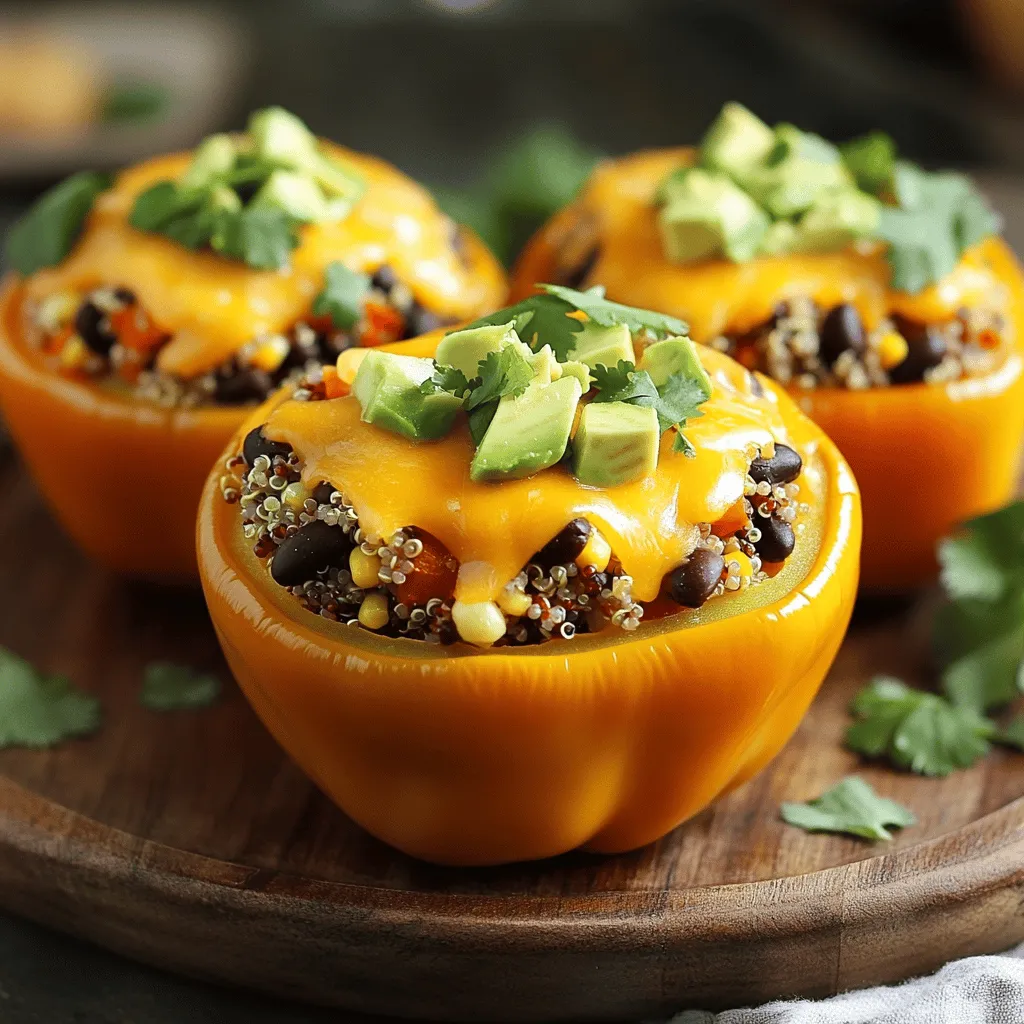
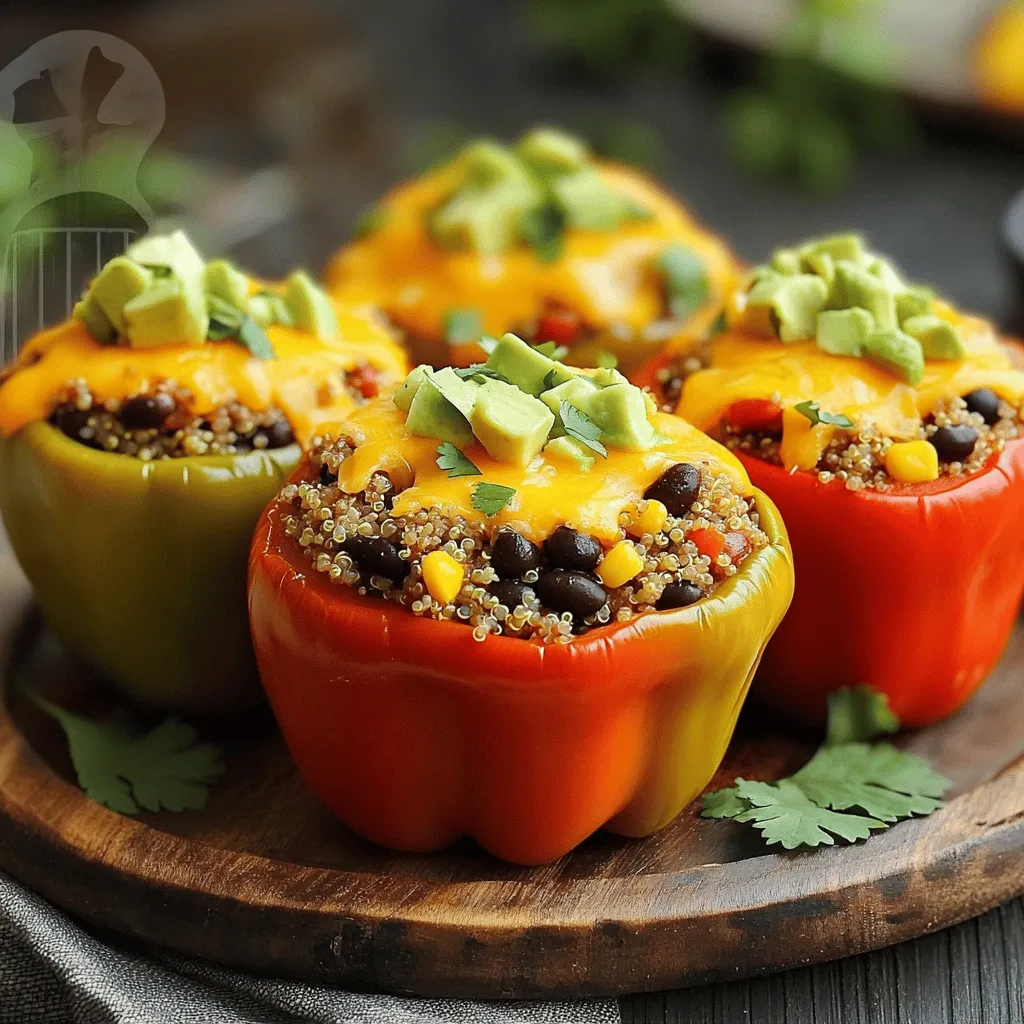
Are you ready to make a meal that will wow your family and friends? My Savory Southwest Stuffed Peppers recipe is easy, tasty, and packed with flavor. With just a few fresh ingredients like quinoa, black beans, and bell peppers, you can create a colorful dish everyone will love. Let’s dive into this step-by-step guide and bring some Southwest flair to your dinner table!
Ingredients
To make your Southwest stuffed peppers, gather these simple ingredients. They bring color and flavor to the dish. Here’s what you need:
– 4 large bell peppers (any color)
– 1 cup quinoa, rinsed
– 2 cups vegetable broth
– 1 can (15 oz) black beans, drained and rinsed
– 1 cup corn kernels (fresh or frozen)
– 1 small red onion, diced
– 2 cloves garlic, minced
– 1 teaspoon ground cumin
– 1 teaspoon smoked paprika
– 1 teaspoon chili powder
– Salt and pepper to taste
– 1 cup shredded cheddar cheese (optional)
– 1 avocado, diced (for garnish)
– Fresh cilantro, chopped (for garnish)
These ingredients create a tasty and satisfying meal. Quinoa adds protein and texture, while black beans and corn give it a hearty feel. The spices, like cumin and chili powder, bring that Southwest flair. If you like cheese, sprinkle it on top for a creamy finish. Don’t forget the avocado and cilantro for a fresh garnish!
Step-by-Step Instructions
Preparation Prep
– Preheat oven to 375°F (190°C).
– Prepare bell peppers by cutting tops and removing seeds.
Start by heating your oven. A warm oven helps the peppers cook evenly. Cut the tops off the bell peppers. This lets you fill them later. Make sure to remove all the seeds inside. It keeps the dish tasty and not bitter. Place the peppers upright in a baking dish. This helps them stay filled during cooking.
Cooking the Quinoa
– Bring vegetable broth to a boil.
– Add quinoa and simmer until fluffy.
Next, grab a saucepan and pour in the vegetable broth. Heat it until it bubbles. Once it boils, add the rinsed quinoa. Cover the pot and lower the heat. Let it cook for about 15 minutes. The quinoa will soak up the broth and become fluffy. This step adds great flavor to your peppers.
Filling the Peppers
– Sauté onions and garlic.
– Combine filling ingredients and pack into peppers.
– Sprinkle cheese on top if desired.
Now it’s time to make the filling. In a skillet, heat a bit of oil. Sauté the diced onions and minced garlic until they soften. This takes about 3-4 minutes. You’ll love the smell! Then, mix in the black beans, corn, and fluffy quinoa. Add cumin, smoked paprika, chili powder, salt, and pepper. Stir it well to combine all the flavors.
Next, carefully pack the filling into each bell pepper. Press down gently so it fits well. If you like cheese, sprinkle some on top of each pepper. This will melt and create a delicious layer.
Tips & Tricks
Cooking Tips for Perfect Stuffed Peppers
– Avoid overcooking the peppers. You want them tender but still firm.
– Consider using different grains for added texture. Brown rice or farro can work well.
Flavor Enhancement Suggestions
– Add more spices for a kick. Try cayenne or crushed red pepper for heat.
– Include other vegetables in the filling. Zucchini, bell peppers, or spinach can boost flavor.
Serving Suggestions
– Best garnished with avocado and cilantro. This adds freshness and color to the dish.
– Pair with a side salad or bread for a complete meal. A crisp salad balances the dish nicely.
Variations
Dietary needs can change how we make Southwest stuffed peppers. Here are some easy ways to adapt the recipe.
Dietary Adaptations
If you want a vegan option, skip the cheese. You can use vegan cheese instead. This keeps the dish tasty for everyone. For those who need gluten-free meals, check that all ingredients are certified GF. This way, you can enjoy every bite without worry.
Ingredient Substitutions
You can switch things up with different ingredients. Use brown rice instead of quinoa for a hearty base. Brown rice offers a nice chew and fits well. If you prefer, swap black beans for kidney beans. This change adds a new flavor and texture to the dish.
Flavor Variations
To give your peppers some extra kick, add jalapeños to the filling. They bring a nice heat that many love. You can also enhance the flavor by adding taco seasoning. This spice mix makes the dish even more vibrant and tasty.
Storage Info
Storing Leftovers
You can keep your Southwest stuffed peppers for later. Place them in an airtight container. Store them in the fridge for up to 5 days. When you want to eat them, reheat in the oven or microwave.
Freezing Guidelines
If you want to save them longer, freeze your stuffed peppers. Make sure to freeze them without any toppings. This way, they keep their taste and texture. When you’re ready to enjoy them, thaw the peppers in the refrigerator. This step helps them heat evenly.
Reheating Tips
To reheat, the oven works best. It heats the peppers evenly and keeps them moist. If you want extra flavor, add fresh garnishes like avocado or cilantro before serving. They make the dish look great and taste even better.
FAQs
How can I make Southwest Stuffed Peppers spicier?
To add heat, try these tips:
– Use jalapeños in the filling.
– Add cayenne pepper to taste.
– Include hot sauce on top before serving.
– Use spicy black beans or chorizo for more flavor.
These options will give your dish a delightful kick!
Can I use other types of peppers for this recipe?
Yes, you can! Here are some great choices:
– Poblano peppers for a smoky flavor.
– Anaheim peppers for milder spice.
– Banana peppers for a tangy taste.
Each type will change the dish slightly, adding your own twist!
What are some good side dishes to serve with Southwest Stuffed Peppers?
I suggest these sides:
– A fresh green salad with lime dressing.
– Cilantro lime rice to complement the flavors.
– Cornbread for a sweet and savory touch.
These sides will round out your meal perfectly!
How long do stuffed peppers take to cook?
Stuffed peppers typically take about 35-40 minutes to cook.
– Bake them at 375°F (190°C).
– Cover with foil for the first 25 minutes.
– Remove foil and bake for another 10-15 minutes.
This method ensures the peppers are tender and the filling is hot.
We covered how to make tasty Southwest stuffed peppers using simple ingredients. You learned how to prepare, cook, and fill the peppers for a satisfying meal. Remember, you can adjust flavors, fit diets, and even store leftovers easily. Enjoy experimenting with this dish to match your taste. Your kitchen will smell great, and the flavors will impress everyone! Keep this recipe handy for a quick and healthy meal that never gets old.
![To make this tasty zucchini corn chowder, you need: - 2 medium zucchinis, diced - 2 cups sweet corn kernels (fresh or frozen) - 1 medium onion, chopped - 2 cloves garlic, minced - 3 medium potatoes, peeled and diced - 4 cups vegetable broth - 1 cup coconut milk (or cream) - 2 tablespoons olive oil - 1 teaspoon smoked paprika - 1 teaspoon ground cumin - Salt and pepper to taste - Fresh cilantro or parsley for garnish These ingredients blend well, giving you a creamy and delicious chowder. Each bite bursts with flavor! You can swap some ingredients if needed. For coconut milk, use almond milk or cream. If you want a different broth, chicken broth works too. For spices, feel free to add your favorites. Try chili powder or Italian herbs for a twist. Fresh corn tastes sweet and bright. It adds a nice crunch to the chowder. However, frozen corn is just as good. It is picked at its peak and frozen right away. Both options work well in this recipe. Choose what you have on hand! 1. Heat olive oil in a large pot over medium heat. 2. Add chopped onion and sauté for about 5 minutes. Wait until the onion turns clear. 3. Add minced garlic and cook for 1 more minute. The smell will be great! 4. Toss in diced zucchini and potatoes. Stir well and cook for 5 minutes. 5. Sprinkle in smoked paprika and cumin. Mix to coat the veggies with spices. 6. Pour in the vegetable broth and bring it to a boil. 7. Lower the heat and let it simmer for 15-20 minutes. Check if the potatoes are tender. 8. Mix in corn kernels and coconut milk. Stir well and simmer for another 5 minutes. 9. Use an immersion blender. Blend until you like the texture. 10. Taste and add salt and pepper as needed. 11. Serve hot and add cilantro or parsley on top. - Prep Time: 15 minutes - Cook Time: 30 minutes - Total Time: 45 minutes - Serve the chowder hot in bowls. - Add fresh cilantro or parsley for color and taste. - Pair it with crusty bread or a fresh salad for a complete meal. - Enjoy this dish with friends and family for a cozy meal. For the Full Recipe, check the main article. To adjust the thickness of your chowder, you have a few options. If you want it thicker, blend more of the soup. You can also add a bit of cornstarch mixed with water. For creaminess, use more coconut milk or cream. Just remember, the more you blend, the smoother it gets. I like to keep some chunks for a nice bite. Try adding fresh herbs like basil or dill for extra taste. A pinch of thyme can also boost the flavor. If you want a kick, add some red pepper flakes or a dash of hot sauce. These small changes can really elevate your chowder and make it unique. Serve the chowder hot for the best taste. If you have leftovers, cool them down quickly and store them in the fridge. When you reheat, do it slowly on low heat. This keeps all the flavors intact. If you need a quick meal, you can also freeze the chowder. Just make sure it’s in a safe container. {{image_2}} To make this chowder vegan and dairy-free, simply swap out the coconut milk for a plant-based milk. Almond or oat milk works well too. You can also skip any cream or dairy-based toppings. This keeps the chowder light and fresh while still being creamy. The flavor stays rich with the right spices and broth. You can add protein to your chowder for a heartier dish. Beans are a great option. Black beans or chickpeas blend well and add fiber. If you prefer meat, shredded chicken is tasty. For seafood lovers, shrimp or crab adds a nice twist. Just add these ingredients when you mix in the corn. Do you love heat? You can spice up your chowder easily. Add diced jalapeños or crushed red pepper for a kick. You can also use spicy sausage for an extra punch. Just sauté them with the onions for the best flavor. Adjust the spice level to fit your taste. To keep your chowder fresh, store it in an airtight container. Place it in the fridge if you plan to eat it within three days. If you want it to last longer, freezing is the best option. Pour the chowder into freezer-safe containers, leaving some space at the top. This space helps prevent the container from breaking when the chowder expands while freezing. When you're ready to enjoy your chowder again, reheat it gently. Pour the chowder into a pot over low heat. Stir it often to keep it from sticking and burning. If the chowder is too thick, add a splash of vegetable broth or coconut milk to loosen it. You can also use the microwave. Heat it in a microwave-safe bowl, stirring every minute until it’s hot. Zucchini corn chowder can last up to three days in the fridge. If frozen, it can stay good for up to three months. Make sure to label the containers with the date so you know when to use them. Enjoying the chowder within these time frames ensures it tastes fresh and delicious! Yes, you can make this chowder ahead of time. It tastes even better after resting. Just cool it down after cooking, then store it in an airtight container in the fridge. It will stay fresh for about three days. When you are ready to eat, just heat it up on the stove. If you want to serve it later, you can follow the [Full Recipe] and prepare it in advance. Absolutely! This chowder freezes well. To freeze it, let it cool completely. Then, pour it into a freezer-safe container, leaving some space at the top for expansion. It can last up to three months in the freezer. When ready to enjoy, thaw it in the fridge overnight. Then heat it gently on the stove until warm. This chowder pairs nicely with crusty bread or a fresh salad. You can serve it with garlic bread for a tasty twist. A simple green salad with a light dressing also complements the chowder well. For a heartier meal, consider grilled cheese sandwiches or quesadillas. These sides make a lovely balance with the chowder's creamy texture. This blog post covered making Zucchini Corn Chowder. We looked at key ingredients and substitutions. I shared tips for texture and flavor, plus variations for dietary needs. You learned about storage and reheating for the best taste. In conclusion, this chowder is easy, tasty, and customizable. With the right ingredients and techniques, you can enjoy it anytime. Take these tips and make your own delicious chowder!](https://dailydishly.com/wp-content/uploads/2025/06/cd1de928-f35a-4c16-bb66-d32b01de5a86-768x768.webp)

![To create this one-pan garlic herb salmon, gather the following key ingredients: - 4 salmon fillets (about 6 oz each) - 2 tablespoons olive oil - 4 cloves garlic, minced - 1 teaspoon dried oregano - 1 teaspoon dried thyme - 1 teaspoon paprika - Salt and pepper to taste - 1 lemon, sliced - 1 cup cherry tomatoes, halved - 1 zucchini, sliced - Fresh parsley, chopped (for garnish) I love using fresh salmon fillets for this dish. They provide a rich flavor and high nutrition. The olive oil is key; it helps the herbs stick and adds a nice touch. Garlic adds depth, while oregano and thyme bring out the best in the salmon. I often add paprika for a hint of warmth. The lemon brightens the dish, balancing the richness of the fish. For vegetables, I choose cherry tomatoes and zucchini. They cook well and add color. The fresh parsley makes for a lovely garnish, offering a fresh note. For the full recipe, check out the details above. This dish is simple, yet it packs a punch in flavor and presentation. 1. Preheating the oven: Start by preheating your oven to 400°F (200°C). This step is key to cooking the salmon evenly and getting the veggies just right. 2. Preparing the marinade: In a small bowl, mix 2 tablespoons of olive oil, 4 minced garlic cloves, 1 teaspoon of dried oregano, 1 teaspoon of dried thyme, 1 teaspoon of paprika, and salt and pepper to taste. This mix will give the salmon its tasty flavor. 3. Arranging the dish: Place 4 salmon fillets in a large baking dish or on a lined baking sheet. Brush the marinade over each fillet. Then, surround the salmon with lemon slices, halved cherry tomatoes, and sliced zucchini. Use any leftover marinade to drizzle over the vegetables. 1. Baking time and techniques: Bake the dish in your preheated oven for 12-15 minutes. The salmon should be flaky, and the veggies tender. Keep an eye on it to avoid overcooking. 2. Checking for doneness: To check if the salmon is done, gently poke it with a fork. If it flakes easily, it’s ready. If it feels firm, give it a few more minutes. 3. Resting time for salmon: Once out of the oven, let the salmon rest for a couple of minutes. This helps keep the juices locked in, making your meal even tastier. For the full recipe, check out the details above. Enjoy your cooking! Achieving perfect flakiness To get that perfect flaky salmon, watch the cooking time. Bake it for 12 to 15 minutes. The salmon is done when it flakes easily with a fork. Remove it from the oven right away. This helps keep it moist. Best temperature for cooking salmon I recommend cooking salmon at 400°F (200°C). This high temperature cooks the fish evenly. It also helps to brown the edges without drying it out. Using fresh herbs vs. dried herbs Fresh herbs give a bright flavor. They can make your dish pop. However, dried herbs are great for ease and shelf life. Use about three times more fresh herbs than dried herbs for the same taste. Plating the dish For a lovely presentation, use a rustic wooden board. Place the salmon fillets in the center. Arrange the veggies around them. This adds color and makes the dish inviting. Pairing with sides or salads Serve the salmon with a fresh salad or some roasted potatoes. Green beans or asparagus also work well. These sides balance the rich flavors of the salmon. Garnishing ideas for visual appeal Add fresh parsley on top for a pop of green. You can also sprinkle some lemon zest. This adds a nice touch and enhances the flavors. For a bit of crunch, consider adding some toasted nuts or seeds. For the full recipe, check out the One-Pan Garlic Herb Salmon. {{image_2}} You can change up the veggies for this dish. Try bell peppers, asparagus, or green beans. They all cook well with salmon and add color. For a protein swap, use chicken or tofu. Both work nicely with the garlic herb marinade. If you want to switch up the spices, add cumin for warmth or lemon zest for brightness. You can also replace dried herbs with fresh ones for a stronger flavor. You can make this dish in different ways. Pan-searing gives the salmon a nice crust. To do this, heat oil in a skillet and cook the fillets for about 4-5 minutes on each side. Baking is easy and hands-off. Just follow the [Full Recipe] for perfect results every time. You can also grill the salmon. This adds a smoky taste and crispy skin. Lastly, using a sheet pan lets you cook everything at once. It makes clean-up a breeze, too. After you enjoy your one-pan garlic herb salmon, you might have leftovers. To keep your salmon fresh, store it in an airtight container. This helps lock in moisture and flavor. Place the container in the fridge. Your salmon will stay good for about 3 days. When it comes to reheating, you have a few options. You can use the microwave for a quick fix. Just heat it on low power to avoid drying it out. Another great method is using the oven. Set it to 350°F (175°C) and warm the salmon for about 10 minutes. This method keeps the fish tender and juicy. Can you freeze one-pan garlic herb salmon? Yes, you can! Freezing is a smart way to save your leftovers for later. To do this, let the salmon cool completely before you freeze it. To properly freeze portions, wrap each piece tightly in plastic wrap. Then, place the wrapped salmon in a freezer-safe bag or container. This way, it won’t get freezer burn. Your salmon can last in the freezer for about 2 months. When you’re ready to eat it, simply thaw it in the fridge overnight. Reheat it just like before for a tasty meal! How long do you bake salmon at 400°F? You bake salmon at 400°F for 12 to 15 minutes. This time allows the fish to cook through but remain tender. Check if the salmon flakes easily with a fork. If it does, it is ready to eat. Can you use frozen salmon for this recipe? Yes, you can use frozen salmon. Just thaw it first for even cooking. Place the frozen fillets in the fridge overnight. If you need it fast, you can put the salmon in a sealed bag and run it under cold water. What to serve with garlic herb salmon? You can serve garlic herb salmon with many sides. Some great choices include rice, quinoa, or a fresh salad. Roasted or steamed veggies also pair well. For a light touch, add a slice of lemon on the side. For the full recipe, check out the One-Pan Garlic Herb Salmon. This blog post detailed how to make a one-pan garlic herb salmon dish. You learned about main ingredients, step-by-step prep and cooking, plus helpful tips. I shared variations for extra creativity and storage tips for leftovers. In conclusion, you can enjoy this dish in many ways. Make it yours by experimenting with ingredients and methods. Cooking salmon can be easy and fun. Enjoy your meal!](https://dailydishly.com/wp-content/uploads/2025/06/57d74547-3b02-425a-a5fa-1ca9189b97a5-768x768.webp)